Aviation has quietly turned Pune into one of the busiest cities for young people chasing a career in the skies. Ask around any coaching hub near Karve Road or Kothrud, and you will meet a fair number of students preparing for DGCA exams, comparing flying schools, or simply figuring out where to begin. We have watched this shift happen over the last decade, and it is not by accident. Pune offers a mix of infrastructure, faculty, and affordability that few other Indian cities manage to match together.
This growing interest is also why so many aspirants now search for pilot training courses in Punerather than looking only at Delhi or Mumbai. The reasons go beyond convenience. They touch on cost, weather, connectivity, and the sheer number of experienced instructors the city has attracted over the years.
What Makes Pune Different From Other Aviation Hubs
Pune sits in a sweet spot. It is close enough to Mumbai for flying operations and industry access, yet far enough to avoid the congestion and higher living costs. That balance matters more than people realize when they are choosing where to spend a year or two of intensive study.
A City Built Around Learning
Pune has always carried a reputation as an education city. Engineering colleges, coaching institutes, and now aviation academies have grown side by side here for decades. Students moving here for pilot training often mention that the city already feels used to hosting learners from across India, which makes settling in easier.
- Affordable hostels and PG accommodation near most institutes
- A large student population, so the city caters well to young residents
- Public transport and metro connectivity that keeps daily commuting manageable
Weather That Favors Flying Practice
Unlike coastal cities that deal with heavy monsoon disruptions or northern cities battling fog through winter, Pune offers a fairly stable flying climate for most of the year. Clear skies for a good stretch of months mean fewer canceled sessions and a smoother training calendar, something every flying school and every student values.
Why Ground Training Quality Matters So Much
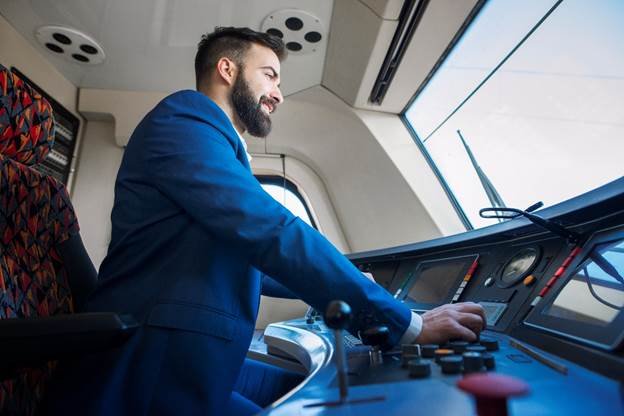
Passing DGCA papers is not just about memorizing formulas. It requires structured teaching, doubt clearing, and instructors who have actually flown commercial routes and can connect textbook theory to real cockpit situations.
Several institutes here run hybrid batches, combining classroom sessions with recorded lectures and daily mock tests. This flexibility works well for students who also need to manage other commitments or who are traveling from nearby towns for their classes.
A well-run Pilot Training Institute In Pune typically builds its program around a few essentials:
- Updated study material aligned with the current DGCA syllabus
- Regular mock examinations to track a student’s readiness
- Small batch sizes that allow instructors to give individual attention
- Simulator exposure before actual flying training begins
- Career counseling that helps students plan their next steps after ground school
These fundamentals decide whether a student clears exams on the first attempt or ends up repeating papers, which costs both time and money.
The Financial Angle Parents Care About
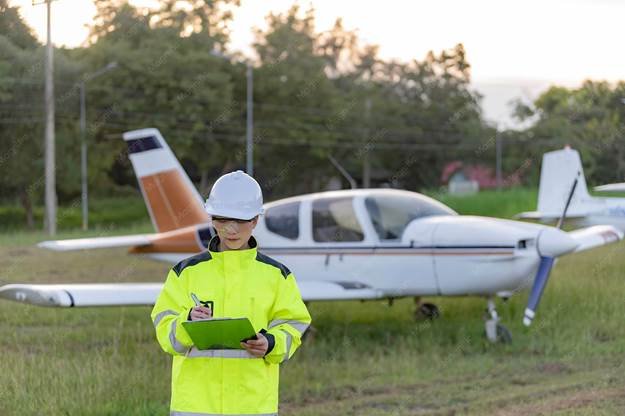
Pilot training is expensive, and most families weigh this decision carefully before committing. Pune tends to offer more competitive fee structures compared to Mumbai or international training routes, without compromising on faculty quality. Living costs are lower too, which adds up significantly over a course that can run six months or longer.
Many institutes here also guide students toward scholarship options or staggered payment plans, something that eases pressure on middle-class families who are funding this dream out of savings rather than loans.
Connectivity to Flying Schools
Ground training is only the first half of becoming a commercial pilot. The actual flying hours happen at partner flying schools, some within India and some abroad. Pune’s institutes have built working relationships with several of these training organizations over the years, which means students get a smoother transition from theory classes into cockpit hours rather than having to search for a flying school on their own after finishing ground school.
Choosing the Right Fit for Your Aviation Goals
Every aspirant’s situation looks a little different. Someone straight out of the twelfth grade will have different needs compared to a working professional switching career, or a student who already holds a Private Pilot License and wants to move toward a Commercial Pilot License.
Before enrolling, it helps to ask a few direct questions:
- Does the institute follow the updated DGCA syllabus consistently?
- What is the actual first-attempt pass rate, not just the advertised one?
- Are instructors currently active in the aviation industry or retired long ago?
- Does the program include simulator sessions and RTR training as part of the course?
- Is the fee structure transparent, with no hidden charges added later?
Students searching for the Best Pilot Training In Puneshould treat this as a research phase, not a quick decision. Visiting the campus, speaking with current students, and reviewing sample study material can reveal far more than a glossy brochure ever will.
Building a Career, Not Just Clearing an Exam
Ground school is a milestone, not the finish line. The real goal is standing in front of an airline interview panel with confidence, backed by solid technical knowledge and clear communication skills. Institutes that focus only on exam clearance sometimes miss this larger picture, while those that also work on interview preparation, radio telephony practice, and general aviation awareness tend to produce more job-ready pilots.
Pune’s aviation ecosystem has matured enough to support this fuller journey. From ground classes to flying school referrals and eventual airline preparation, the pieces largely exist within reach of one city, which is rare.
Conclusion
Pune’s growth as a pilot training destination did not happen overnight. It came from steady investment in coaching quality, a student-friendly cost of living, dependable weather for flying schedules, and institutes willing to build long-term relationships with flying schools abroad. For anyone weighing where to start this demanding but rewarding career path, Pune deserves a serious look alongside the more obvious metro choices.
This report comes to you courtesy of siomestore.com, sharing insights for readers exploring career paths in aviation.
Frequently Asked Questions
What subjects are covered in DGCA ground training?
DGCA ground training typically covers Air Navigation, Air Regulations, Aviation Meteorology, Technical General, and Technical Specific, along with Radio Telephony preparation.
How long does pilot training in Pune usually take?
Ground classes generally run for around six months, depending on the batch schedule, followed by separate flying training hours to complete the Commercial Pilot License.
Is Pune a good choice compared to Mumbai or Delhi for pilot training?
Pune offers comparable teaching quality with lower living costs and steadier flying weather, making it a practical choice for many students outside metro hubs.
Do I need to clear ground exams before starting flight training?
Most students complete or are well into their DGCA ground papers before beginning actual flying hours, since the theory forms the foundation for practical training.