Miscommunicating a single digit over the radio can lead to catastrophic consequences in the aviation world. Industry data shows that a major portion of airspace near-misses and operational errors stem from poor cockpit communication rather than mechanical failure. For any aspiring aviator in India, passing the technical flying tests is only half the battle. Earning your wings requires mastering the airwaves through structuredradio telephony training india programs. This specialized training is the absolute baseline requirement that transforms a novice student into a trusted professional capable of talking to Air Traffic Control across international borders.
Understanding standard phraseology is what keeps aircraft safely separated in crowded skies. The Radio Telephony Restricted (Aeronautical) license, commonly known as the RTR(A), is a mandatory qualification that often catches candidates off guard due to its strict testing standards.
Decoding the WPC RTR License Framework
The Wireless Planning and Coordination wing of the Ministry of Communications conducts the examination. It is an entirely different beast compared to regular computer-based written theory papers.
The Dual-Stage Hurdle
The exam checks your practical transmission skills under pressure through two distinct stages. The first part is a practical test where you sit in a simulated radio transmission circuit and handle simulated flight emergencies, weather diversions, and regular position reports. You have to use the official international phonetic alphabet flawlessly while maintaining standard transmission speeds.
The second part is a direct oral viva with a panel of board examiners. They will test your core knowledge of radio frequencies, signal propagation, wave theory and international aviation regulations. Failing either part means repeating the entire process, which can delay your license by several months.
Shifting from Casual Talk to Aviation Code
Radio frequencies are crowded, noisy and prone to static distortion. Because of this, casual language is strictly banned on aviation channels.
You will spend hours unlearning regular conversational habits and practicing compressed, unambiguous commands. Every message must follow a strict order: who you are calling, who you are, where you are, and what you need.
The Core Value of Aviation Prep Centers
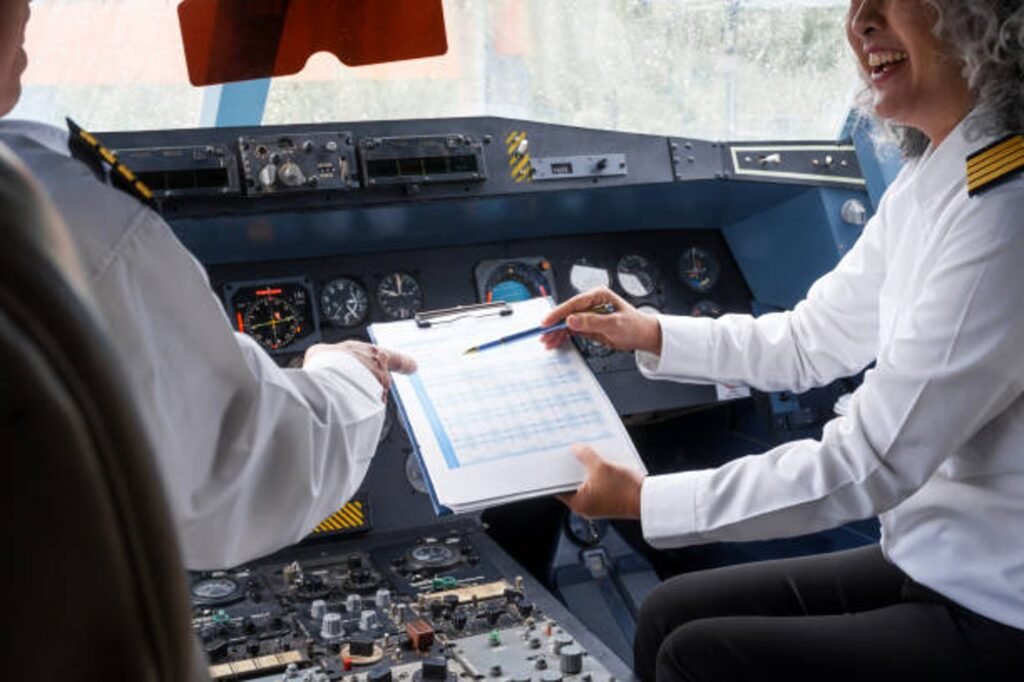
Studying radio procedures from a thick textbook at home rarely works because you cannot replicate the fast-paced stress of a live transmission circuit. Enrolling in focused airline preparation classes gives you the interactive environment needed to practice listening through static and responding instantly without hesitation.
Good ground academies use physical simulator setups where instructors role-play as Air Traffic Controllers, throwing sudden engine issues, instrument failures, and bad weather changes at you in real time. This interactive setup helps you build deep muscle memory so you don’t freeze during the actual government test.
Strategic benefits of joining a professional training batch include:
- Regular live simulator transmission practice with peers to overcome microphone anxiety.
- Access to updated question pools containing exact scenarios faced in recent testing cycles.
- Specific voice modulation coaching to ensure clear pronunciation despite heavy static.
- Deep training on technical radio physics topics like VHF, HF, and line-of-sight signal limits.
Setting Up for Flight Training Success
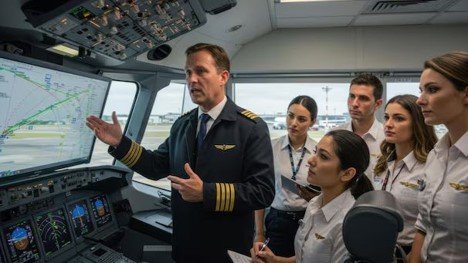
Attempting your actual flight hours without passing this communication test creates massive operational friction. Instructors at flying schools have limited time in the air, and they cannot afford to spend expensive flight hours teaching you how to use the microphone.
Getting this license sorted out during your initialstudent pilot training phase saves a lot of money and reduces stress later. When you already know how to talk to controllers confidently, your focus inside the cockpit stays entirely on controlling the aircraft safely.
Unlocking Career Opportunities with Airline Connections
Mastering your communication skills early does more than just help you clear a tough government exam it drastically improves your hiring prospects during airline recruitment drives. Most major air carriers look closely at how confidently a candidate handles high-stress radio communications during simulator check-rides as clear cockpit coordination directly impacts flight safety. Getting your radio credentials sorted out early ensures your resume stands out allowing you to seamlessly transition into advanced airline training programs without unexpected administrative delays.
Conclusion
The training utilizes standard ICAO phraseology, meaning the communication skills you learn here will apply globally across all international airports.
Mastering the radio takes patience but proper preparation turns a stressful exam into a routine conversation. Pilot Training Academy provides structured radio telephony ground batches to help you master aviation phraseology and clear your official licensing papers easily.
Frequently Asked Questions
Why is radio telephony training india programs offer mandatory for commercial pilots?
It is a legal requirement managed by the WPC ministry to ensure all pilots can communicate clearly using standard international aviation terms.
What is the minimum age to apply for the RTR exam in India?
Candidates must be at least eighteen years of age on the date of the examination to be eligible for the certificate.
How do professional airline preparation classes help with the oral viva round?
They provide direct face-to-face mock interviews with experienced instructors to help students answer technical radio regulations questions without panic.
What academic qualifications do I need for student pilot training radio classes?
You need to have cleared your 10+2 schooling level with Physics and Mathematics from a recognized state or central education board.