Chasing the horizon at 35,000 feet is an incredible career goal, but navigating the financial blueprint required to get there can feel like flying through heavy cloud cover. Data from civil aviation experts shows that the base pilot training cost in india has shifted significantly heading into 2026 due to fluctuating aviation turbine fuel prices and fleet modernization. Aspiring aviators face a maze of differing price tags ranging from raw flying fees to advanced multi-engine endorsements. This comprehensive guide lifts the curtain on every single expense you need to map out before starting your journey.
Understanding the true investment requirement helps you budget accurately and prevents unexpected mid-way financial stalls. The path from student to first officer requires structured planning across distinct educational and physical phases. Here is exactly what you are paying for when you pursue your wings in the modern aviation landscape.
Breaking Down the Initial Regulatory and Academic Fees
Before a single propeller spins, your financial investment begins on the ground with regulatory paperwork and foundational academic modules. Skipping over these early administrative costs is a common mistake that catches families off guard.
DGCA Medical Examinations
An aviation career cannot begin without a clean bill of health verified by approved doctors. Your initial Class 2 medical exam costs around ₹10,000 and establishes your baseline fitness. Before stepping into actual commercial training, you must upgrade to a mandatory Class 1 medical examination
which requires another ₹10,000 for specialized center visits and diagnostic laboratory panels.
Ground School Frameworks
The most difficult academic challenge for student pilots is to crack the central theoretical papers. Structured preparation programs, such as air navigation and meteorology, are between ₹1.5 Lakhs and ₹3 Lakhs to enroll. Investing in quality ground training saves you thousands later because failing to clear written papers on your first attempt stretches your accommodation bills and delays your entry into the cockpit.
The Heavy Investment: Flight School and Aircraft Hours
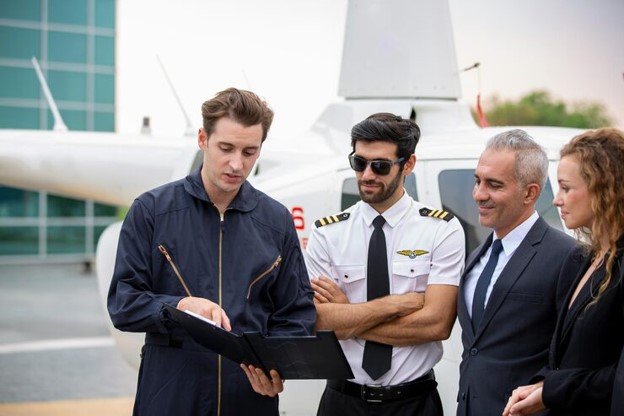
The core budget chunk goes directly into active cockpit hours, aircraft rentals, and instructor time. Meeting the rigorous regulatory minimums forms the foundation of any commercial pilot license course pathway.
Flight Training Organizations bill students based on a “wet hourly rate” which bundles aircraft wear, maintenance, fuel, and pilot coaching into a single figure.
The primary cost framework involves these specific milestones:
- Single-Engine Flying Training: Training on a regular aircraft such as the Cessna 172 will cost between ₹24 Lakhs and 32 Lakhs based on fleet age.
- Multi-Engine Endorsement: This needs an extra ₹4 Lakhs to ₹6 Lakhs to complete 15 to 20 hours on multi-engine airplanes such as the Diamond DA42, which are complex.
- Synthetic Flight Simulators: Learning emergency procedures on the advanced visual simulators will cost about 1 Lakh to ₹ 2 Lakh out of the bottom budget.
- Licensing and Administrative Fees: Issuing the physical logbooks, processing official board documentation, and paying examiner skill-test fees adds approximately ₹1 Lakh to the total pool.
Factoring in Essential Post-CPL Operational Certifications
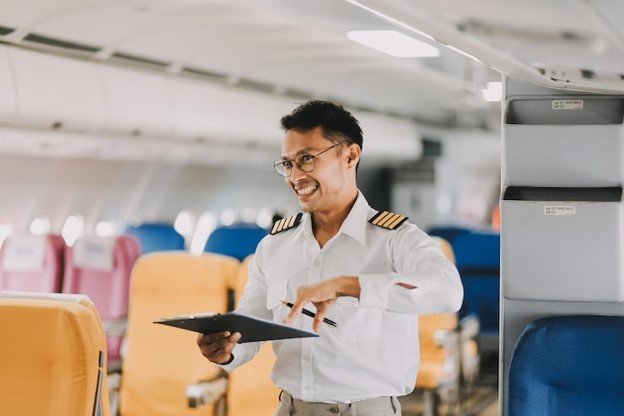
Getting the physical license booklet from the regulator does not automatically mean you can fly a commercial passenger jetliner. Modern airlines require specific operational additions that push the overall cost past the basic flying school quote.
Investing in Training For Pilot In India setups involve budgeting for a Type Rating, which is an intensive simulator course that teaches you to operate a specific commercial jet like the Airbus A320 or Boeing 737 MAX. A standard type rating adds ₹18 Lakhs to ₹25 Lakhs to your total financial plan. If you opt for an all-inclusive airline cadet program instead of an independent pathway, these advanced certifications are bundled together from day one, pushing the comprehensive entry-level budget anywhere from ₹85 Lakhs to ₹1.2 Crores.
Conclusion
Most regulatory components and written test results carry a specific validity window of five years, requiring you to finish flight training within that timeframe.
Earning your place in the cockpit requires a clear-eyed look at the numbers alongside absolute academic dedication. Managing your ground papers efficiently is the smartest way to keep your overall expenses from ballooning out of control. Pilot Training Academy provides structured guidance and clear academic pathways to help you navigate your training journey effectively without hidden financial surprises.
You can find an in-depth visual cost breakdown and helpful planning advice directly from seasoned industry veterans in this detailed Pilot Training Academy Video, which provides a realistic look at budgeting your aviation journey from medical tests to landing a job.
Frequently Asked Questions
What is the realistic baseline pilot training cost in india today?
The baseline cost for a conventional commercial flight license ranges between ₹45 Lakhs and ₹65 Lakhs, which covers the minimum flight hour requirements and basic academy ground fees.
Why do cadet pilot programs cost more than an independent commercial pilot license course?
Cadet programs cost more because they bundle the type rating, airline-specific standard training, and structural interview preparation together under a conditional employment letter.
Are there extra costs if my Training For Pilot In India takes longer?
Yes, weather delays, unexpected maintenance issues, or taking multiple attempts to clear exams will increase your accommodation bills and can require extra refresher flight hours.
Can I secure a bank education loan for commercial flight training?
Major national banks provide specialized education loans up to ₹1 Crore for pilot training, provided you are enrolled in a recognized, government-approved flight school.