A student once messaged one of our instructors at 11 PM, apologising for texting so late, just to ask how she should explain a weather diversion scenario if it ever came up in an airline interview. She hadn’t even finished her Meteorology paper yet. It felt like a strange question to be asking mid revision, and she said as much herself. Six months later, that exact scenario showed up in her first airline interview, before her recruiter asked her a single question about flying hours.
That’s usually the moment students realise airline preparation classes is not something that starts after CPL training ends. It runs alongside it, quietly, in the same weeks you’re grinding through ground school subjects. Cadet hiring has moved faster than most training timelines account for, and recruiters today are listening for how a candidate thinks, not just what they’ve memorised. This article breaks down when interview prep should actually begin, what recruiters are really evaluating, and how to build that readiness without pulling focus away from your DGCA papers.
Why Interview Prep Can’t Wait Until After CPL
Airline interviews are not just about your logbook. Recruiters are looking for signs of Judgement, Communication and Composure under pressure all of which are skills that take time to acquire and cannot be learned in a week before the interview.
According to a CAPA industry hiring report for 2023, first officer selection panels are now placing as much importance on psychometric and situational responses as on technical responses. Multiple Indian carriers and a CAPA industry hiring report for 2023 cited that the selection panels were increasingly evaluating psychometric and situational responses rather than technical scores. Basically, they are looking to see how you think, not what you know.
Waiting until after your CPL flying training is complete means you’re trying to build interview instincts under time pressure, right when airlines are calling. Students who start early usually walk in calmer and calm reads as competence to any panel.
What Airline Interview Panels Actually Look For
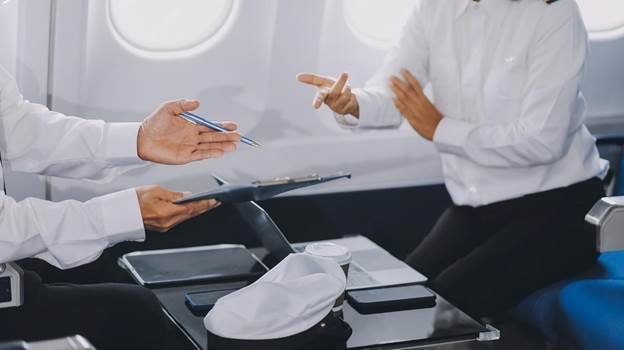
Every airline has its own format, but the underlying checklist barely changes.
- Technical clarity: Can you explain a system, a regulation or a weather phenomenon in simple, confident language, not textbook jargon?
- Decision-making under stress: Panels often throw scenario-based questions. A hydraulic failure mid-flight, a diverted route, a passenger medical emergency. They want your thought process, not a perfect answer.
- Communication and body language: This sounds obvious but it trips up more candidates than technical gaps do. Mumbling, over-explaining, or freezing when asked “why this airline” is a common reason for rejection.
- CRM (Crew Resource Management) awareness: Even at the entry level, airlines want to see you understand teamwork in the cockpit, not just solo flying skills.
I have noticed students who have been through structured airline preparation classes tend to answer scenario questions in a layered way. First, they state the immediate action, then the reasoning, then the regulatory backing. That structure alone makes a huge difference to how a panel perceives you.
Building Interview Skills Alongside Your CPL Ground Subjects
Here is the part most students miss. Your CPL ground subjects are already loaded with interview material you just need to connect the dots. Air Regulations sessions double up as prep for “what would you do if” questions. Meteorology classes give you real scenarios to discuss instead of vague bookish answers.
Even RTR practice builds the exact vocal clarity and confidence panels are scanning for. Commercial Pilot Training in Pune programs that integrate mock interviews into the ground school routine, rather than treating them as an afterthought, tend to produce students who don’t freeze up when the real call finally comes.
A simple habit that works well: after every ground class topic, ask yourself “how would I explain this to a non-pilot in thirty seconds.” That single exercise trains the exact communication skill interview panels test for.
Common Mistakes Students Make

Many of these are due to overconfidence or just plain nervousness, which can be remedied with practice. Answers that are over-rehearsed sound robotic. Panels can detect seconds after someone is reading a script from memory and not reflecting upon what he or she just read. One of the other most frequent errors is responding with “I don’t know” when it is indeed unknown. Pilots are taught to say ‘unsure, let me check’ and panels value that much more than a cocksure wrong answer.
Some students also underprepare for soft questions, assuming the technical round is all that matters. It isn’t. HR rounds often decide the final call, especially when technical scores are close between two candidates.
How Structured Programs Help
Solo preparations will not take you very far. Whether it’s used as a mock panel, peer group discussion or a walk-through of scenarios by the instructor, a structured environment can help you practice what questions you wouldn’t think to ask. Real airline captains and industry veterans who’ve sat on actual selection panels bring a kind of insight that no YouTube video can replace. That is really the value of pairing cpl ground classes pune with dedicated interview coaching rather than treating them as separate boxes to tick later.
Conclusion
An airline interview cannot be crammed. Preparation is the key to a successful interview and that should begin early and continue over time. By developing communication skills, scenario-based thinking and technical confidence with your CPL ground courses, you will be miles ahead of candidates who wait until they have their license before they develop skills. The habits are small, a weekly mock question here, a self-explained topic there but they compound fast.
If you’re currently working through your ground papers and want interview readiness built into your training rather than bolted on later, Pilot Training Academy Pune structures its programs around exactly this kind of real-world, airline-ready preparation.
FAQs
When should I start preparing for airline interviews during CPL training?
Ideally as soon as you begin your ground subjects. Early exposure to scenario-based thinking and mock interviews builds confidence gradually instead of last-minute pressure.
What subjects help most with airline interview preparation?
Air Regulations, Meteorology, and RTR practice naturally build the reasoning and communication skills interview panels test for.
Do airline preparation classes cover HR rounds too, or just technical questions?
Good programs cover both. HR and situational questions often decide the final selection, so technical-only prep leaves a gap.
Is Commercial Pilot Training in Pune a good option for combined ground and interview prep?
Programs in Pune that integrate mock panels and instructor-led scenario training alongside CPL ground classes help students prepare for both exams and interviews at once.
What’s the biggest mistake students make in airline interviews?
Over-rehearsed, robotic answers. Panels prefer genuine reasoning, even an honest “I’m not sure, let me verify” over a scripted response.