
A student’s father in Kothrud once asked us for a “date.” Not a range, not an estimate. A date. He wanted to know the exact day his daughter would hold a licence, so he could tell relatives. We understood the wish. We also had to tell him that nobody honest can promise one. Pilot training moves at the speed of weather, exam results, aircraft availability and the student’s own progress. Anyone searching for commercial pilot training pune is better served by understanding the stages than by chasing a single number.
Here’s how the timeline is built, piece by piece.
Why a fixed duration is hard to promise
Two students who join on the same day can finish months apart. The reasons are practical, not mysterious.
- How quickly you clear written exams, including any repeat attempts
- Medical clearance and whether anything needs follow-up
- Flying weather, especially in the monsoon months
- Aircraft and instructor availability at the flying school
- How often you can fly each week, and how well you retain skills between sessions
- Your own pace: some people need extra hours on certain exercises
Treat any “guaranteed in X months” promise with caution. A good academy explains the variables instead of hiding them.
Check the official requirements first

The aviation regulator sets the minimum training requirements, eligibility, subjects and medical standards, and these get revised from time to time. We haven’t quoted hours, fees or exam details here, because friends and old forum posts are often out of date. Read the current rules on the regulator’s own website before you plan your calendar, and ask any academy to show you where their schedule comes from.
The timeline in five stages
Almost every route follows this order, even if the timing differs.
- Eligibility and medical. Confirm you qualify and complete the required medical. Do this before you spend on anything else.
- Ground subjects. Classroom or online study for the written papers, such as navigation, meteorology and regulations.
- Written exams. Preparation, mock tests and the exam attempts themselves.
- Flying training. Building the required experience in the air, with a mix of lessons, solo flying and cross-country work.
- Skill tests and licence application. Final assessments and paperwork before the license is issued.
Stages can overlap. Many students study ground subjects while arranging flying, so the total isn’t simply each stage added together.
Where students lose time
Delays are rarely dramatic. They build up quietly.
- Starting the medical late, then discovering a problem
- Underestimating how much daily study the written papers need
- Taking exams before feeling ready, then repeating them
- Long gaps between flying sessions, which force revision of skills
- Paperwork errors or missing documents
- Switching academies midway
Most of these are avoidable with early planning and steady effort.
Ground study: setting a realistic pace
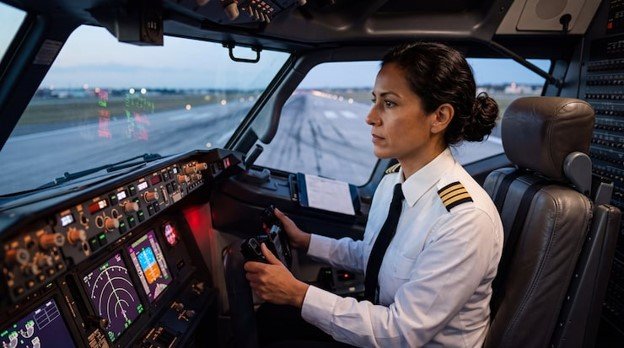
If you’re comparing a commercial pilot license course, look at how the ground portion is planned across weeks and subjects, not just at the course name. Ask how revision is built, how mock tests work and how missed classes are handled.
Some useful signs of a well-planned ground schedule:
- A week-by-week plan that covers every subject
- Regular mock tests that mirror the real exam style
- Feedback on wrong answers, not only scores
- A clear plan if you need to repeat a subject
- Teachers who explain concepts rather than only reciting answers
A rushed ground schedule can look quick on paper and slow in practice, because repeat attempts add months.
Flying training: patience pays
Flying time depends on practical factors. Weather can cancel sessions. Aircraft need maintenance. Instructor schedules fill up. Even a motivated student can’t speed these up.
What you can control:
- Fly regularly, since long gaps make skills fade
- Prepare for each lesson by reviewing the exercise beforehand
- Ask for feedback after every session and write it down
- Rest well and eat properly on flying days
- Keep a log of what you learned, so you can see progress
An honest note: faster isn’t always better. A student who rushes through a stage often returns to it later.
Comparing academies on time, not only on price
When looking through pilot training courses in pune, ask questions that reveal how time is really managed.
- What is the realistic schedule from joining to license application, and what assumptions are behind it?
- How are delays from weather or aircraft availability handled?
- How many students share each aircraft and instructor?
- What happens if you need extra hours or repeat an exam?
- Is the fee structure clear about extras?
Ask for answers in writing. A reliable academy will give a range and explain what could shift it.
Money and time are linked
Longer training generally means higher cost, because repeats, extra hours and living expenses add up. Fees vary and change, so we haven’t quoted any. Ask for current numbers from the academy and official sources, and plan a cushion for unexpected extensions.
Write down the full list with your family:
- Ground classes and materials
- Flying hours and aircraft costs
- Medical, exam and licensing fees
- Travel, stay and living costs
- A reserve for repeat attempts
A sample planning mindset
Instead of fixing a finish date, build a plan with three scenarios: a smooth path, a typical path and a slower path. Ask what each would cost and what you’d need to adjust. This keeps surprises from turning into crises.
Review the plan every two to three months. Update it with real results, not hopes.
Warning signs about timelines
- A fixed finish date promised before you’ve even started
- Pressure to pay the whole amount on the first visit
- Vague answers about aircraft, instructors or weather delays
- No written schedule or terms
- Refusal to let you speak with current students
Good institutions are comfortable with questions.
Conclusion: Plan for a Range, not a Date
Commercial pilot training doesn’t run on a calendar alone. It runs on medicals, exams, weather, practice, and your own progress. Check the official requirements, understand each stage, ask academies how they handle delays and plan your finances with a cushion. A realistic range will serve you better than a promise.
At Pilot Training Academy, we want students and families to understand the stages and variables before they begin, so the journey feels like a clear plan rather than a guessing game with the calendar.
Frequently Asked Questions
How long does commercial pilot training usually take?
It varies by student, with exams, medical clearance, weather and flying availability all playing a part. Check current requirements with the regulator and ask your academy for a realistic range.
Can the training be completed faster?
Sometimes, with steady study, regular flying and good planning. Rushing can backfire if it leads to repeat exams or extra hours, so aim for steady progress.
What causes delays in a commercial pilot license course?
Common causes include late medical checks, repeat exam attempts, weather, aircraft availability and long gaps between flying sessions.
What should I ask an academy about the timeline?
Ask for a written schedule, the assumptions behind it, how delays are handled, what extra hours or repeats cost and whether you can speak with current students.