A student once spent nearly a month trying to understand air navigation from textbooks. One simulator session later, the confusion started clearing up. Heading corrections finally made sense. Wind drift looked real instead of theoretical. That shift happens quite often in an aviation ground school environment today.
DGCA subjects are not always difficult because of complexity. Many students struggle because theory stays trapped inside books. Flight simulators bridge that gap. Concepts become visual, practical, and easier to remember during preparation.
Modern pilot training is changing quickly. Students searching for the best DGCA ground classes now expect more than lectures and printed notes. They want practical learning methods that improve understanding faster and reduce confusion before exams.
Why DGCA Theory Feels Overwhelming
Navigation charts, meteorology reports, aircraft systems and radio procedures. DGCA subjects contain heavy technical information. Reading alone can sometimes slow down learning, especially for beginners entering aviation for the first time.
A simulator changes the learning experience because students can watch concepts happening live inside a virtual cockpit. That visual connection helps the brain retain information better.
One common example is crosswind correction. A student may memorize the definition perfectly yet still fail to understand its real application. Inside a simulator, the aircraft drifting away from its track suddenly explains the entire concept without long explanations. That practical exposure matters more than people realize.
Simulators Turn Theory into Real Situations
Traditional classrooms explain procedures. Simulators allow students to experience them repeatedly without pressure.
Students practicing inside a simulator often understand:
- instrument scanning
- altitude changes
- navigation tracking
much faster compared to theory-only sessions.
This happens because the learning becomes active instead of passive. Aviation instructors across many training institutes have noticed that students exposed to simulation-based sessions ask more detailed questions during classroom discussions. Better questions usually indicate a stronger understanding.
Faster Retention During DGCA CPL Coaching
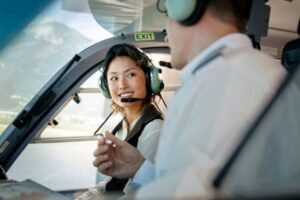
Memory improves when emotions and actions are involved. Reading about engine response is one thing. Watching RPM fluctuations during a simulated climb creates a completely different learning impact.
That is one reason modern DGCA CPL coaching programs increasingly include simulator-supported training alongside theoretical preparation.
Students preparing for Technical General particularly benefit from this method. Aircraft systems stop feeling abstract because learners can connect diagrams with actual cockpit indications.
Research from aviation training organizations worldwide has repeatedly shown that simulator-assisted education improves procedural understanding and operational awareness among trainee pilots. Training institutions globally continue investing heavily in simulation technology for this reason.
Confidence Improves Before DGCA Exams
A large part of the DGCA exam stress comes from uncertainty. Many students know the answers partially but cannot visualize the situation clearly during tests. Simulators reduce that hesitation.
Cockpit familiarization creates stronger mental recall during:
- mock tests
- oral assessments
- written DGCA papers
Students often answer more confidently because they understand the logic behind procedures instead of depending entirely on memorization.
That difference becomes visible during revision stages.
Practical Learning Helps Slow Learners
Every batch has students who take longer to absorb technical topics. Aviation theory moves fast, and not everyone feels comfortable asking repeated doubts during lectures. Simulation training quietly helps those students improve at their own pace.
Watching aircraft reactions in real time makes concepts easier to absorb naturally. Navigation procedures, turns, descents, and instrument readings start connecting without excessive textbook repetition. Aviation learning becomes less intimidating when students can see how systems actually behave.
Modern Aviation Ground School Training Is Evolving
Pilot training today looks very different compared to older classroom-only systems. Institutes now focus heavily on blended learning methods because student engagement improves when theory and practice work together.
Strong aviation programs usually combine:
- structured theory classes
- simulator familiarization
- regular mock testing
This structure keeps students mentally active during long preparation phases.
Attention spans are shorter now. Long theory-heavy sessions alone rarely produce the best outcomes. Interactive learning improves concentration and memory retention, especially in technical subjects like navigation and meteorology.
A quality aviation ground school understands that balance well. Theory builds foundational knowledge. Simulation strengthens practical understanding. Both are necessary for long-term success in aviation training.
Conclusion
Flight simulators are no longer just advanced training tools for licensed pilots. They have become an important part of student learning during DGCA preparation itself.
Concept clarity improves faster when students can connect theory with a visual application. Confidence becomes stronger. Revision feels easier. Technical subjects stop feeling disconnected from real aviation operations.
Students searching for the best DGCA ground classes today often prefer institutes that combine practical simulator exposure with structured classroom learning because results tend to improve naturally.
Pilot Training Academy continues focusing on practical, student-friendly training methods that help aspiring pilots understand DGCA concepts clearly and prepare with greater confidence for their aviation careers.
FAQs
How do flight simulators help DGCA students?
Flight simulators help students understand cockpit procedures, navigation, and aircraft systems visually, making DGCA concepts easier to remember.
Are simulators important in aviation ground school training?
Yes. Modern aviation ground school programs use simulators to improve practical understanding alongside classroom theory.
Can simulator training improve DGCA exam performance?
Students often perform better because simulators improve concept clarity, confidence, and procedural understanding.
Which DGCA subjects become easier with flight simulators?
Navigation, meteorology, technical general, and instrument procedures improve significantly through simulator-based learning.