A young pilot in Pune told us that holding his licence felt like finishing a marathon and then being told the real race starts tomorrow. He had the certificate in a plastic sleeve. He had no idea what airlines would ask next. Nobody had drawn him a map. If you are searching for pilot career guidance india, that map is what you are really looking for: the steps between a licence in hand and a seat in an airline cockpit.
Here’s how we’d lay it out, stage by stage.
A licence is the start of the next stage
Passing the commercial licence shows you meet the regulator’s standard. Airlines and operators then apply their own selection and training on top of it. Their requirements differ, and they change with the hiring market, so treat everything below as a general picture.
Check two kinds of sources before you plan:
- The aviation regulator’s website, for licence conditions, ratings and validity
- Individual airlines’ career pages, for their current entry requirements
Friends and forum posts are often a year or two behind.
What airlines usually look at
Each operator has its own criteria, but the same themes come up again and again.
- Licence and ratings: the qualifications you hold and whether they are current
- Flying experience: the hours and type of flying you have logged
- Medical status: a valid medical certificate at the required class
- English proficiency: clear communication, including on the radio
- Documents and records: logbooks, certificates and identity papers kept in order
- Attitude and conduct: how you work with others and handle pressure
None of these is a secret. Most students simply don’t think about them until the day they apply.
Ratings and additional qualifications
After the basic licence, many pilots work towards further qualifications that operators ask for. Which ones matter depends on the route you choose and the employer.
- An instrument rating, which allows flying in conditions with limited visibility
- A multi-engine rating, for aircraft with more than one engine
- Type-specific training, which usually comes through the employer
- Other endorsements that the regulator or operator may require
The exact names, hours and conditions are set by the regulator and operators, so confirm them before you spend anything.
Building experience after the licence
Many new commercial pilots find that the next challenge is gaining flying experience. Airlines often prefer candidates who have logged meaningful hours, and routes to that experience vary.
- Flying in roles that allow you to log hours safely and legally
- Instructing, where the regulator and the institute allow it
- Joining programmes that connect training with employer pathways, where such programmes exist
- Staying current, so skills don’t fade between flights
We haven’t quoted hours or timelines, because they change. Ask working pilots and verify with official sources.
Selection steps you might meet
Airline recruitment tends to include several stages, though formats differ.
- Application and document screening
- Aptitude or written tests
- Technical interview on aviation knowledge
- Simulator assessment
- HR or group assessment
- Medical checks and background verification
You don’t need to memorise a script. You need solid fundamentals and calm preparation.
Where structured preparation helps

Some candidates look at airline preparation classes before applying, mainly to refresh technical knowledge and practise interviews. They can be useful when they cover what you will actually face.
Good signs include:
- Revision of core subjects, such as navigation, meteorology, regulations and aircraft systems
- Mock technical interviews with honest feedback
- Practice with aptitude-style questions and timed tests
- Guidance on logbooks, documents and applications
- A clear statement that outcomes can’t be guaranteed
Be cautious of anyone who promises a job. No institute controls an airline’s hiring decision.
Simulator and assessment readiness
Many selection processes include a simulator or a flying assessment. The aim isn’t perfection. It is to see how you handle instructions, workload and mistakes.
- Practise calm routines: checks, scanning and clear communication
- Brush up on instrument skills if they are a little rusty
- Learn to recover from an error without letting it spiral
- Sleep well before the assessment
- Ask for feedback afterwards, whatever the result
Familiarity reduces nerves, and nerves cost more marks than most skills do.
What “airline ready” really means
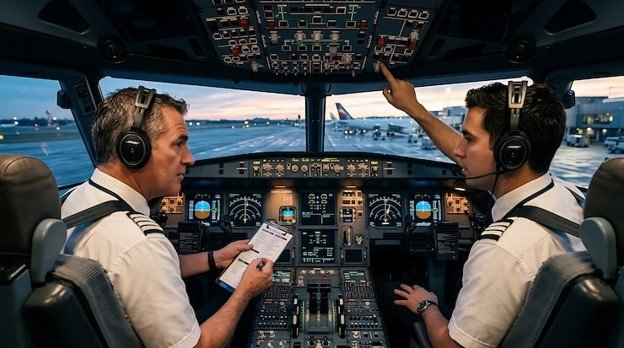
The phrase appears in many brochures. When you see airline ready pilot training advertised, ask what it covers in detail. Is it refresher training, a type-related programme, interview support or something else? Ask who delivers it, how long it lasts and what the costs and conditions are.
A fair programme describes its content in plain terms and explains what it can and can’t do. A vague one relies on slogans.
Money and timing after the licence
Costs don’t stop at the commercial licence. Ratings, extra training, assessments and travel for interviews all add up. Prices and timelines vary and change, so we haven’t quoted any.
- Ask for written cost breakdowns for every additional course
- Keep a cushion for the months between licence and employment
- Be careful with financing, and read repayment terms before borrowing
- Keep all receipts and agreements safely
Planning this stage early is kinder to your family than discovering it midway.
Building a profile airlines can trust
Beyond hours and ratings, operators look at reliability.
- Keep your logbook accurate and neat
- Keep your medical and licence validity under watch
- Build a short, honest CV that matches your records
- Develop communication skills, in English and in plain conversation
- Network respectfully with working pilots and instructors
A tidy record signals the kind of attention to detail that aviation values.
Common mistakes new commercial pilots make
- Waiting until the licence is in hand before researching next steps
- Trusting verbal promises about jobs
- Letting skills and knowledge fade through long gaps
- Ignoring medical and document validity
- Paying for preparation without checking what it covers
- Comparing their timeline with other people’s
Each one is easy to avoid with a little planning.
Conclusion: The Licence Opens the Door, Preparation Walks You Through
A commercial licence is a major achievement, and also a starting point. Confirm the regulator’s conditions, learn what operators look for, plan for ratings and experience, prepare for selection stages and keep your records in order. Be wary of guarantees, and ask every programme to explain what it covers. A steady plan will serve you better than a hopeful wait.
At Pilot Training Academy, we want students to see the road beyond the licence early, so the step from certificate to cockpit feels like a planned journey and not an open question.
Frequently Asked Questions
What comes after getting a commercial pilot licence?
Pilots usually look at additional ratings, building flying experience and meeting individual airline requirements. Check the regulator and airline career pages for current conditions.
Do airline preparation classes guarantee a job?
No. They can help refresh knowledge and practise interviews, but hiring decisions rest with the airline. Avoid anyone who promises a job.
How do I choose a good airline-ready programme?
Ask what the programme covers, who teaches it, how long it lasts and what it costs. Prefer clear, written descriptions over slogans.
Where can I find reliable career guidance?
Start with the regulator’s website and airline career pages, then speak with working pilots and instructors. Compare what you hear with official information.