A mother in Aundh once rang us after visiting three academies in a single Saturday. She came home with three folders, three fee sheets and one headache. Every counsellor had called their institute “the best.” None could tell her what an ordinary Tuesday in the course would look like. She wasn’t being fussy about details. She was trying to hand over a large part of her son’s future and wanted to know what she was buying. Anyone comparing pilot training courses in pune is in the same position, and a short, fixed checklist makes the visits far less confusing.
Here are the seven things we would check, in the order we would check them.
1. Is the institute approved, and can you verify it?
Start here, because nothing else matters if this fails. Approval for flying schools and training organizations is granted by the aviation regulator. Don’t accept a logo, a framed certificate or a counsellor’s word.
- Ask for the approval details and note the exact name of the approved entity.
- Check the current list or records on the regulator’s official website.
- Ask which part of the training is approved, since ground and flying parts may be handled separately.
- Be wary if the answer is vague or the name on the paperwork differs from the name on the brochure.
Rules and listings change, so treat the official site as the final word.
2. What exactly does the course cover?
Course names sound alike. Contents don’t. Ask for a written outline and compare it line by line.
- Which ground subjects are taught, and how many weeks are planned for each?
- How is revision handled before the written exams?
- Is the flying part included, arranged through a partner or left for you to organize?
- What support is given for the medical and the paperwork?
If you are shown only a glossy summary, ask for the detailed version. A genuine syllabus plan exists on paper.
3. Who teaches, and how?
A teacher decides how much you understand. Ask who will take each subject and what their aviation background is. Then sit in on a demo class, even a short one.
- Does the teacher explain why something works, or just read out answers?
- Are diagrams and real flight situations used?
- Are questions welcomed or hurried past?
- Does anyone check how each student is progressing?
Twenty minutes in a classroom tells you more than an hour with a brochure.
4. What is the real cost, and what is extra?
Fees differ between institutes and change over time, so we haven’t quoted any. What matters is how clearly the total is explained.
- Ask for a full written breakdown.
- Find out what is included: classes, material, tests, flying hours.
- Ask what is charged separately, such as exam fees, repeat attempts and extra hours.
- Get the payment schedule and the refund terms in writing.
- Ask what happens if you need to pause or leave.
A low headline fee that grows with add-ons is no saving. A clear total is easier to plan around.
6. What is the training environment like?

Facilities matter less than people assume, but some basics are worth a look. Visit in person if you can.
- Are classrooms, study areas and learning material in decent shape?
- Is the material current, and who updates it?
- How big are the batches, and how are doubts cleared outside class?
- What is the plan if you miss a session?
If you’re choosing from aviation training programs india offers, you may also be comparing places outside Pune. Visit before paying, not after, because photos on a website rarely show how a place feels on a weekday.
6. What do current and past students say?
Reviews help, but only if you read them carefully. Look for patterns, not for one glowing or angry post.
- Ask the institute if you can speak with current students.
- Look for detailed comments about teaching, schedules and communication.
- Notice whether the reviews all sound identical, which may suggest they weren’t written independently.
- Ask how the institute handles complaints and how students are supported after a failed exam.
A personal conversation with a student a year ahead of you is often the most honest source.
7. How honest are they about outcomes?
This is the quiet test of the whole visit. No institute controls how you perform in an exam, a medical exam, or a job market. Watch how they talk about results.
- Guarantees of passing or of a job should make you cautious.
- Statistics should come with context: how many students, which years, what they measured.
- A good counsellor explains the variables and the risks, not only the highlights.
- Pressure to pay the full amount on your first visit is a warning sign.
Honest answers sound less exciting and are worth more.
A note on choosing a course type
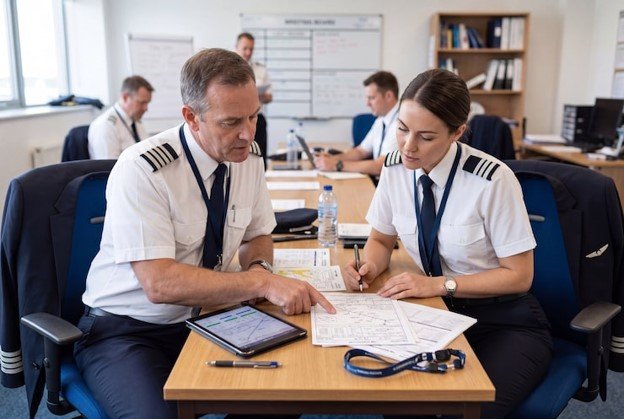
Some people search for an airplane pilot course as if it were a single product. In practice, the route can involve ground study, medical clearance, flying training, and licensing in stages. Ask each institute to map the stages for you, including who is responsible for each one and what may add time or cost. That map tells you more about the institute than any slogan.
Questions to carry on your visits
Keep a short list on your phone and ask the same questions everywhere. Comparing answers side by side makes the differences obvious.
- Can I see the approval details?
- Can I attend a demo class?
- Can I get the full fees and terms in writing?
- How do you handle delays or repeat exams?
- Can I speak with a current student?
If an institute is uncomfortable with these, you have learned something important.
Mistakes students make while choosing
- Picking a place because a friend’s cousin joined.
- Deciding on the day of the first visit.
- Paying a large amount before reading the terms.
- Comparing only the headline fee.
- Ignoring a gut feeling about how staff answered questions.
- Skipping the official verification step.
Each one is simple to avoid with a little patience.
Conclusion: A Good Choice Is a Verified Choice
The right institute is approved, clear about what it teaches, honest about cost and open about outcomes. Verify the details on official sources, sit in on a class, speak with students and compare written terms, not only spoken promises. Take your time, because this decision shapes years.
At Pilot Training Academy, we want students and families to arrive with the right questions and leave with clear answers, so enrolling feels like a considered step and not a rushed one.
Frequently Asked Questions
How do I check whether a pilot training institute is approved?
Ask for the approval details and verify them on the aviation regulator’s official website. Make sure the name on the paperwork matches the institute you are dealing with.
What should I look for in a pilot training course?
A clear written syllabus, qualified teachers, realistic schedules, transparent fees and honest answers about outcomes. A demo class helps you judge the teaching.
Is the highest-priced course always better?
Not necessarily. Compare what each fee includes, the quality of teaching and the clarity of terms. A higher price does not guarantee better results.
Can I visit an academy before enrolling?
Yes, and you should. Visit, sit in on a class, ask your questions and speak with current students before you decide.