Airline jobs in India are moving again. Fast, honestly. New planes keep coming in. Airports are expanding. Airlines need more pilots. Students looking for a commercial pilot license course are suddenly stuck on one big question.
Cadet program or traditional CPL training?
Both roads can get a student into the cockpit. Still, the ride feels very different. One path is tight, planned and almost military-like at times. The other gives more room to breathe. More freedom. More risk too, maybe.
A lot of students enter aviation with half the picture. Later, reality hits. Training delays. Budget stress. Tough exams. Simulator pressure. Aviation sounds shiny online. Real life? Different story.
This blog breaks things down simply. No heavy jargon. No fake hype. Just the stuff students actually need to know.
What Is a Cadet Pilot Program?
A cadet pilot program is airline-linked training. Airlines tie up with approved academies and train students under their system.
Training usually includes:
- DGCA ground classes
- Simulator work
- Flight training
- Airline preparation sessions
Big airlines like IndiGo and Air India have pushed these programs harder in recent years. Students like them because the route feels clearer. Almost safer, in a way.
Still, people misunderstand cadet programs all the time. Getting selected is hard. Very hard sometimes. Aptitude rounds, psychometric tests, interviews and medicals. One bad day during assessments can end the process quickly.
Pressure stays there through training too. Some students love that structure. Others feel trapped by it after a while.
What Happens in Traditional CPL Training?

Traditional CPL training follows the normal DGCA pathway. Students complete flying hours, clear exams, and earn their commercial pilot license before applying to airlines separately.
This route feels more open. A student can choose the best CPL training institute in India based on instructor quality, aircraft condition, flying schedules, or even weather patterns around the academy. Tiny details matter in aviation. Weirdly small things sometimes become huge later.
Many senior airline captains still respect the traditional route deeply. Independent flying builds confidence differently. A student learns to manage pressure without an airline holding every step together. That changes a pilot.
Cost Difference in 2026
Money becomes a serious conversation very quickly in aviation. Cadet programs in India can now cost around ₹95 lakh to ₹1.4 crore. Traditional CPL training usually stays lower, often between ₹45 lakh and ₹70 lakh. That gap is massive for most families.
Hidden costs sneak in too. Extra simulator practice. Retaking DGCA papers. Accommodation shifts. Medical renewals. Even weather delays can increase expenses because students end up staying longer at flying bases. Happens more often than people think. Nobody talks about those parts enough.
Which Route Gives Faster Airline Opportunities?
Cadet pathways are built around airline systems. Naturally, students get early exposure to airline procedures and cockpit culture.
Traditional CPL students move differently. Slower sometimes, yes. But flexible. Neither path guarantees a cockpit seat.
Airlines in 2026 are looking closely at:
- technical understanding
- communication skills
- simulator performance
- discipline during training
Flying hours alone do not impress recruiters the way they once did. A sharp student with good instructors can stand out from either route.
Flexibility Changes Everything
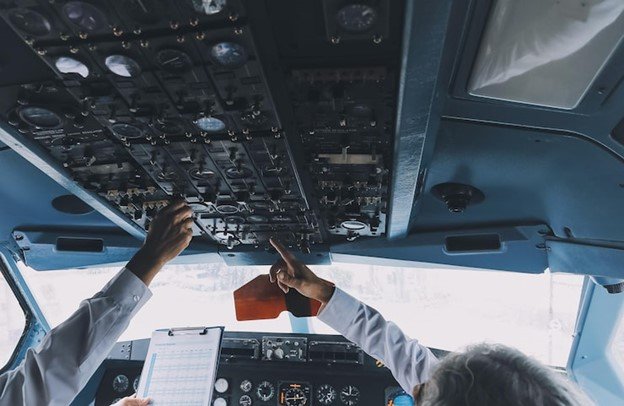
This part matters more than students realize. Traditional CPL students can switch academies, pause training, or adjust schedules if money or weather becomes a problem. Cadet programs usually follow strict timelines and contracts.
That freedom helps during rough phases. And aviation training always has rough phases. Delays become normal after a point. Aircraft maintenance issues. Bad weather. Instructor shortages. One thing after another sometimes.
Students researching commercial pilot training pune programs now compare actual flying availability before checking advertisements. Smart move, honestly. Good marketing means nothing if aircraft stay grounded for weeks.
Industry Reality in 2026
India is moving toward becoming one of the largest aviation markets in the world. DGCA and IATA forecasts already show strong pilot demand for the coming years.
Still, competition keeps growing too.
Airlines now expect students to show:
- better simulator handling
- professional discipline
- strong communication
- calm decision-making under pressure
Training quality matters more now than shiny brochures or social media reels.
A weak academy becomes visible very quickly during airline interviews.
Which Option Is Better?
Truthfully, there is no perfect answer. Cadet programs work well for students who like structure, can handle competitive screening, and have stronger financial backing.
Traditional CPL training suits students who want flexibility, lower costs, and wider career freedom later.
Both routes can create excellent pilots. Both can also disappoint students if the training quality is poor. That part never changes.
Common Mistakes Students Make
A lot of students choose academies based only on social media content. Flashy uniforms. Fancy cockpit photos. Big airline logos everywhere.
Students should check the instructor experience, DGCA approvals, aircraft availability, and real student reviews before joining any academy. Current students usually tell the real story. Promotional videos rarely do.
Pilot training is demanding. Long days. Repeated practice. Technical exams that drain your brain a bit. Then flying starts at 5 AM the next morning anyway. Aviation can be exhausting and exciting at the same time. Strange combination, honestly.
Conclusion
Cadet pilot programs and traditional CPL training both offer solid paths toward becoming an airline pilot in 2026. One gives structure and airline-focused preparation. The other offers flexibility, independence, and often lower financial pressure.
The better option depends on the student, not trends online. Strong instructors, disciplined training, and real flying exposure matter far more than flashy marketing promises.
Students planning a serious aviation career should focus first on learning quality and long-term growth. Pilot Training Academy continues helping aspiring pilots build strong aviation foundations through practical training, structured guidance, and career-focused preparation.
FAQs
What is the difference between a cadet pilot program and a commercial pilot license course?
Cadet programs are airline-linked training pathways, while CPL training focuses on earning a pilot license independently.
Which option costs less in India?
Traditional CPL training usually costs less than cadet pilot programs.
Can traditional CPL students join airlines?
Yes. Many airline pilots in India come from traditional CPL backgrounds.
Is airline placement guaranteed in cadet programs?
No. Students still need to clear assessments, simulator checks, and medical requirements.