
Every single year, thousands of young kids across India finish their 10+2 board exams with physics and math, dreaming of the day they will finally get to wear those gold epaulettes. Landing a seat in a commercial airline cockpit is an amazing career choice, no doubt about it. But look, it all starts with one massive, terrifying choice: picking the place where you actually learn to fly. Trying to choose from the dizzying number of flying training schools in india can drive you crazy, especially since every single academy out there claims they have a direct line to a major airline job.
Making a bad choice here will completely stall your career before you even get off the ground. I have seen students sit around for months just waiting for a turn to fly because the planes are broken down or the school ran out of instructors. It happens more than people think. This quick blog breaks down the absolute non-negotiable things you need to watch out for before you sign any enrollment papers or hand over your money.
Watch Out for the Fleet Size and Student Ratio
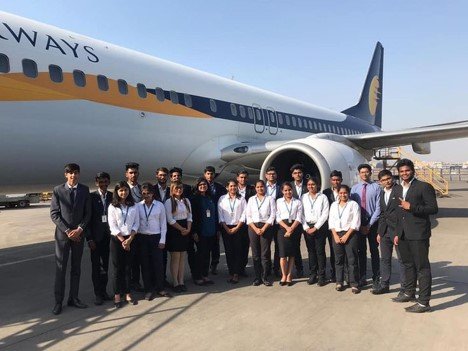
The biggest bottleneck in your entire flight training journey isn’t going to be the tough classroom stuff. It is simply whether an aeroplane is available when you are ready to fly. A school might boast a big game about having ten aircraft on their tarmac, but you have to look closer. Ask them point-blank how many of those machines are actually airworthy right now.
Pro Tip: A solid rule of thumb is to look for a student-to-aircraft ratio of about 4:1 or maybe 5:1 at most. Anything higher than that means you will spend a lot of your precious time sitting around on a plastic chair in the hangar, watching other people log hours while you wait your turn.
Maintenance matters just as much as the raw number of planes. If an institute is flying really old planes, they might end up stuck waiting for weeks just for a tiny spare part to clear customs. Try to find flying institutes in india that have an active, in-house team of engineers and keep their own local stock of regular components.
Check the Weather and Location Dynamics
Geography is a huge deal when it comes to how fast you can knock out your 200 mandatory flying hours. India has wild weather shifts and certain spots have really bad seasonal issues that can completely ground a flight school for months on end.
The Fog Factor: Flight academies up in North India regularly hit a wall with severe winter fog from December to February, which drops flying hours down to practically zero.
Monsoon delay: During the monsoon season, coastal communities are hit with heavy, non-forest-blocking rainfall, causing visible weather guests to stop controlling altogether
Airspace constraints: Texting well after a busy subway station can address heavy industrial airport guests, which can lead to frustrating delays where you’re just idling on the taxiway taking up space to watch the evacuation.
You can breeze through your admission much faster by choosing a college located in a region that enjoys clear skies most of the year, like Maharashtra, Madhya Pradesh, Gujarat or positive regions.
Instructor Availability and Quality
An academy can have the shiniest, newest planes in the entire country, but you literally cannot take off without a certified Flight Instructor sitting next to you. India deals with a bit of a quiet shortage here because experienced instructors constantly leave the training world to take up high-paying jobs at commercial airlines.
Before you enrol, check how many full-time Flight Instructors and Open Rated Instructors are physically on the premises. If a school relies too much on temporary, part-time, or freelance instructors, your weekly training schedule is going to be completely random. Having the same instructor day in and day out builds much better habits and makes your learning curve way smoother.
Evaluating the Infrastructure Beyond the Runway
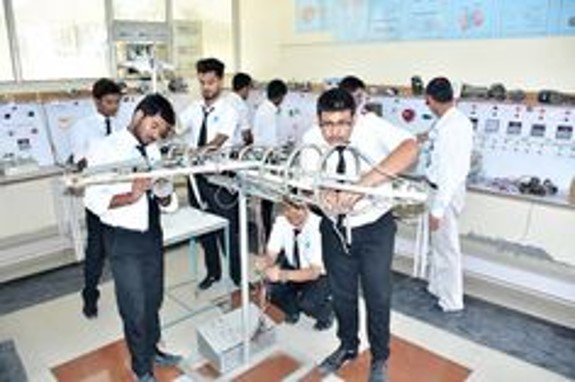
Modern airline cockpits are incredibly high-tech, using advanced glass cockpit screens like the Garmin G1000 system instead of those old-school analogue dial gauges that look like they belong in a museum. Your training school needs to match this modern reality.
Advanced Simulators: A good simulator lets you practice dangerous emergency drills and tricky instrument flying safely and cheaply before you try it in the sky.
DGCA Ground School Support: Clearing the theoretical aviation papers is famously difficult. The best aviation academy in india will always offer real, structured classroom coaching alongside your active flying time.
On-Campus Housing: Living right by the airfield means you can roll out of bed easily for those super early morning flights when the air is perfectly calm and smooth for learning.
The True Cost of Training
Do not just look at the shiny base price on the brochure. A lot of academies tend to hide extra fees for fuel price spikes, airport landing charges, extra simulator time and exam paperwork deep inside the fine print.
Always demand a completely itemised, all-inclusive cost sheet before paying anything. A great trick is to walk out to the airfield and chat quietly with the senior cadets who are currently training there, away from the admissions salespeople. Those students will give you the real, unfiltered truth about hidden delays and surprise expenses.
Conclusion
Getting your commercial pilot license is a huge investment of your family’s money and your own emotional energy. Finding the right school means looking past the fancy marketing videos and looking hard at aircraft health, instructor stability and local weather patterns. Getting your tough DGCA floor test out of the way early will give you a huge head start when the real flying part begins.
Navigating the first steps of this adventure is much less complicated if you have experienced mentors guiding you through the regulatory maze. Pilot Training Academy Pune provides committed ground instructor and strategic aviation advice to ensure you complete your exams quickly and choose the safest, most efficient route to the commercial cockpit.
FAQs
Which are the best flying training schools in india for quick completion?
Schools that operate in central and western parts of India usually offer much faster completion times. The reason is simple: these specific regions do not get the terrible winter fog seen up north, meaning they get way more days of perfect flying weather year-round.
How do I choose between different flying institutes in india?
You should closely compare their current student-to-aircraft ratio, make sure they have plenty of full-time instructors on site, and see if they train you on modern glass-cockpit airplanes. Talking directly to active students at the school is the best way to double-check their promises.
What should I look for in the best aviation academy in india?
You want to find an institute that balances strong ground school theory classes with a heavily utilized, well-maintained fleet of planes. Having their own dedicated maintenance engineers on site and working flight simulators are huge benefits.
Are domestic flying training schools in india better than training abroad?
Training right here in India means you learn the local DGCA rules and specific airspace quirks from your very first day. It also saves you from having to deal with a really expensive and time-consuming foreign license conversion process when you return home.