Sitting inside a multi-million dollar flight simulator for the first time is an absolute eye-opener for most young aviation enthusiasts. The sheer volume of glowing screens, switches and radio panels can make anyone realize that flying an airliner takes far more than just smooth hand-eye coordination. Before you ever get to touch the controls of a commercial jetliner, you must pass a series of highly demanding theoretical and logical assessments. Securing entry into premier airline cadet streams or clearing your baseline licensing tests requires a crystal-clear understanding of the specific testing landscape. Seeking structured aviation entrance coaching early on is often the defining factor that keeps your career progression moving forward without costly delays.
The entire testing process in India is carefully designed to filter out candidates who cannot process dense numbers or make split-second safety decisions under immense pressure. The pathway involves clearing two major types of assessments before you can secure a seat with a commercial flight line.
Decoding the Central Board Written Examinations

The primary academic bottleneck for every single aspiring pilot in India consists of the pilot exam coaching classes managed by the civil aviation board. You cannot simply skip these papers and head straight to a flying club.
Air Navigation and Flight Planning
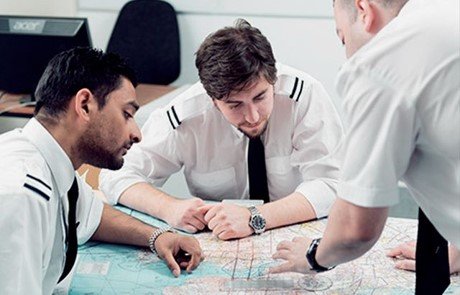
This paper acts as the ultimate filter for student aviators due to its advanced tracking math. You will learn to calculate ground speeds, track drifting paths caused by crosswinds, and interpret magnetic variation tracks on physical charts. Ground instructors spend months teaching students how to operate mechanical flight computers to solve these problems quickly. A small reading error on a chart can cause you to fail the entire paper.
Meteorology and Air Regulations
Aviation Meteorology tests your deep understanding of global weather systems, cloud developments, jet streams, and frontal boundaries. You must master reading highly compressed, coded textual weather data maps like METAR reports. Air Regulations shifts the focus entirely to international aviation law, emergency protocols, right-of-way rules, and specific airspace divisions. Memorizing these massive legal frameworks is absolutely mandatory to prevent real-world traffic conflicts near busy international runways.
Mastering Airline Cadet and Compass Screening Tests
Clearing your baseline written papers allows you to hold a basic license, but securing a coveted spot in a structured airline cadet program requires tackling specialized computer screening tests. This is exactly where targetedpilot entrance coaching classrooms prove their weight in gold.
The most common digital filtering system used by major airlines globally is the Compass test suite. This computer program checks your innate physical multitasking skills, short-term memory capacity, spatial orientation, and basic physics understanding. You cannot cram for these unique psychomotor tests using standard school textbooks. Dedicated pilot exam coaching classes use specialized software setups that mimic these exact coordination tests, allowing students to train their hand-eye coordination and improve their reaction speeds before taking the real airline exam.
The Strategic Value of Specialized Preparation
- Daily access to realistic instrument tracking software to build deep cognitive muscle memory.
- Focused interview preparation modules led by senior airline captains who know exactly what hr managers look for.
- Systematic question bank revision blocks covering past technical papers from the last five years.
- Comprehensive physical mock assessment days to eliminate testing anxiety and improve raw speed.
Navigating Your Training Path Efficiently
Attempting to sit for these specialized airline screenings without structured preparation often leads to immense frustration and wasted application attempts. The competition for airline cadet seats is incredibly fierce, and missing a selection cut-off score by a single percentage point can push your career timeline back by a year.
Investing your energy into a dedicated ground curriculum early on ensures you build a flawless conceptual foundation. When you fully understand the core engineering principles of an aircraft and master radio flight navigation on the ground, your practical simulator check-rides and actual flight school lessons become much simpler to manage.
Conclusion
Cracking these initial testing hurdles requires absolute discipline and structured guidance. Navigating the massive regulatory syllabus becomes an achievable step-by-step process when you have experienced flight instructors guiding your studies. Pilot Training Academy provides highly structured ground school programs and technical entrance batches to help aspiring aviators clear their examinations and step confidently into professional airline cockpits.
Frequently Asked Questions
What specific subjects are covered in aviation entrance coaching programs?
The core training programs focus heavily on Air Navigation, Aviation Meteorology, Air Regulations, technical aircraft systems, and specialized psychomotor testing preparation.
How do pilot entrance coaching centers prepare students for airline cadet selection tests?
They utilize dedicated software simulators that replicate the spatial awareness, multitasking, and hand-eye coordination drills found in official airline screening tests.
Are standard school textbooks enough to clear pilot exam coaching classes modules?
No, because aviation tests require highly specialized knowledge regarding flight computers, instrument interpretation, and aviation law that standard school streams do not cover.
Can non-science students join these pilot screening preparation classes?
Yes, any student can join provided they clear their basic secondary physics and mathematics papers through recognized open-schooling board programs alongside their ground school training.