Most flying schools advertise a headline figure, somewhere between thirty-five and fifty-five lakhs, and let students assume that number covers the entire journey to a commercial pilot license. It rarely does. Between extra flying hours, exam retakes, accommodation, and equipment, the actual total often runs well beyond the quoted fee. Anyone researching pilot training cost in India before enrolling deserves a realistic picture, not just a polished brochure figure.
We’ve spoken with plenty of students partway through their training who admit they wish someone had walked them through these numbers earlier. This guide breaks down exactly where those additional costs come from.
Why the Advertised Fee Rarely Tells the Full Story
Flying schools typically quote a base package covering the minimum required flying hours and standard ground instruction. What that figure often excludes is just as important as what it includes.
Common gaps in advertised pricing include:
- Additional flying hours beyond the DGCA-mandated minimum
- DGCA exam re-attempt fees for subjects not cleared initially
- Accommodation and daily living expenses during training
- Equipment, uniforms, and study material not bundled into course fees
Understanding these gaps before signing up prevents financial strain midway through a training program that typically spans eighteen to twenty-four months.
Extra Flying Hours: The Biggest Hidden Expense
DGCA regulations require a minimum of two hundred flying hours before a commercial pilot license can be issued. In practice, very few students complete training for exactly two hundred hours.
Reasons flying hours often exceed the minimum:
- Additional practice required to master specific maneuvers
- Weather-related delays extending the overall training timeline
- Aircraft downtime due to maintenance or scheduling conflicts
- Individual pace differences in skill development
Each additional flying hour typically costs between fifteen and eighteen thousand rupees, and students commonly end up flying an extra ten to twenty hours beyond the mandated minimum. Over the course of training, this alone can add one to five lakhs to the total bill.
Single-Engine vs Multi-Engine Cost Differences
Single-engine aircraft hours generally cost between twelve and eighteen thousand rupees, while multi-engine training runs considerably higher, often between twenty-five and thirty-five thousand rupees per hour. Students pursuing a multi-engine rating should budget accordingly rather than assuming uniform hourly costs across their entire program.
DGCA Exam Fees and Re-Attempt Costs

While individual DGCA exam fees remain relatively modest, the real cost emerges when subjects require multiple attempts.
Typical exam-related expenses include:
- Base exam fees per subject, generally in the range of a few thousand rupees each
- Additional coaching or remedial training if a subject isn’t cleared initially
- Extended accommodation costs while waiting for the next exam session
- Lost time, since regular sessions are spaced roughly three months apart
Students who need multiple attempts across several subjects sometimes spend an additional two to three lakhs on remedial coaching and delayed timelines. This is precisely why thorough preparation before the first attempt matters more than most students initially realize.
Accommodation and Living Expenses
Training duration stretches across many months, and daily living costs accumulate steadily, often overlooked when budgeting for commercial pilot training pune or any other training location.
Accommodation costs typically depend on:
- City tier, with metro locations costing considerably more than smaller towns
- Whether the flying school includes hostel facilities or requires separate arrangements
- Duration of training, generally spanning eighteen to twenty-four months
- Food, transport, and other daily expenses beyond rent alone
Monthly accommodation costs generally range from three thousand rupees in smaller towns to fifteen thousand rupees in metro cities, which over a two-year training period adds anywhere from sixty thousand to over three lakhs to the overall budget.
Type Rating: A Cost Often Overlooked Entirely
Completing a CPL only permits general flying. Operating a specific commercial aircraft requires additional type rating training, a cost many students don’t factor in during initial planning.
Key points about type rating costs:
- Average type rating costs range between twenty and forty lakhs
- Airbus A320 ratings remain among the most common choices, given widespread use by Indian carriers
- This cost is entirely separate from the base CPL training fee
- Airline cadet programs sometimes include type rating, though at a higher overall program cost
Overlooking this expense often leads to significant budgeting gaps once CPL training concludes and pilots begin preparing for actual airline recruitment.
Medical Examinations and Renewal Costs
A Class 1 medical certificate is mandatory throughout training and beyond, and costs here extend well past a single initial examination.
Medical-related expenses include:
- Initial Class 1 Medical Examination Fees
- Periodic renewals required throughout the training period
- Additional tests if any medical concerns arise during initial screening
- Potential costs if a medical disqualifier is discovered mid-training, which can affect the entire training investment
Given how significant this risk can be, completing a medical examination early, before committing to full training fees, remains one of the most important financial safeguards available to aspiring pilots.
Equipment, Study Material, and Miscellaneous Costs
Beyond flying and exam fees, several smaller expenses add up across the training period.
Commonly overlooked costs include:
- Headsets, uniforms, and navigation equipment
- Study material and mock test subscriptions for DGCA preparation
- License processing and documentation charges
- Travel costs if training locations differ from home city
Individually, these expenses seem minor, but combined across an entire training program, they often total a meaningful sum worth including in any realistic budget.
Planning Realistically for Training for Pilot in India
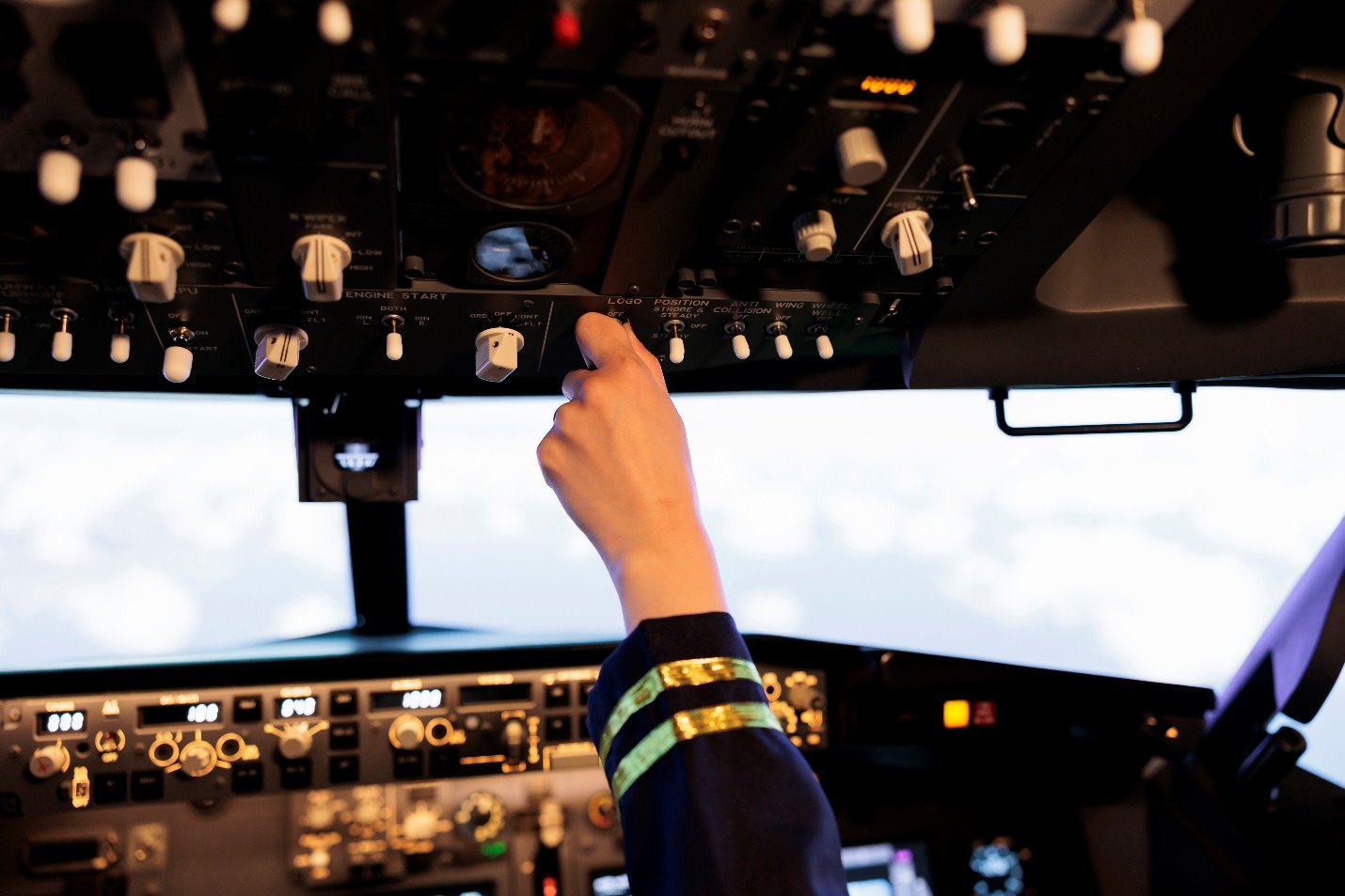
Given all these variables, students pursuing training for a pilot in India should build a buffer into their financial planning rather than relying solely on advertised package pricing.
Practical budgeting tips include:
- Adding a fifteen to twenty percent buffer above the quoted training fee
- Requesting a detailed, written cost breakdown before enrollment
- Setting aside separate funds specifically for exam retakes and medical costs
- Comparing government versus private institute pricing, since inclusions vary considerably
A realistic total budget for complete CPL training, including hidden costs, generally falls between forty-five and eighty lakhs, depending on the flying school, location, and individual training pace.
Conclusion
Understanding the true cost of commercial pilot training protects students from financial stress midway through an already demanding program. Extra flying hours, exam retakes, accommodation, and type rating expenses often account for a substantial portion of the total investment, well beyond what advertised packages initially suggest.
For aspiring pilots seeking transparent guidance on real training costs and structured preparation support, Pilot Training Academy provides honest, detailed cost breakdowns to help students plan their aviation journey with confidence.
Frequently Asked Questions
1. What is the realistic total pilot training cost, including hidden expenses?
A realistic total budget, including flying hours, ground classes, medicals, and accommodation, generally ranges between forty-five and eighty lakhs, depending on the training path chosen.
2. Why do flying hours often exceed the DGCA minimum requirement?
Weather delays, aircraft downtime, and individual skill development pace commonly extend flying hours beyond the two-hundred-hour minimum, adding to overall training costs.
3. Does the CPL fee include type rating training?
No, a type rating is a separate cost, typically ranging between twenty and forty lakhs, required after CPL completion to fly a specific commercial aircraft.
4. How can students avoid unexpected costs during commercial pilot training in Pune or elsewhere?
Requesting a detailed written cost breakdown before enrollment, budgeting a buffer of fifteen to twenty percent, and setting aside separate funds for exam retakes helps avoid financial surprises.