Cockpit behavior rarely gets discussed until something goes wrong. A pilot who flies well but communicates poorly, or one who freezes under pressure, creates risk that no number of flying hours can fix. This is where real preparation for acommercial flying career in India begins, and it starts long before the first paid flight.
We often meet cadets who have logged plenty of simulator time but have never practiced how to think, speak, or react like a professional pilot under real operational stress. Technical skill gets you into the cockpit. Behavior keeps you there.
What Cockpit Behavior Actually Means
Cockpit behavior is not about looking calm on camera or sounding confident on the radio. It covers how a pilot handles decision-making, communicates with crew, and manages fatigue, distraction, and unexpected situations.
Airlines look for candidates who can:
- Stay composed when a checklist item doesn’t go as planned
- Communicate clearly with co-pilots and cabin crew, even during tense moments
- Accept correction without defensiveness
- Follow standard operating procedures without cutting corners
- Recognize when to ask for help instead of guessing
None of this shows up on a logbook. It shows up in how a cadet responds during training, mock interviews, and simulator sessions.
Why Airlines Test Behavior Before Skill
Recruitment panels at Indian carriers rarely start with technical questions. They start with scenario-based interviews designed to reveal how a candidate thinks under pressure. A cadet who has been through airline ready pilot training understands this shift early and prepares accordingly.
We have seen candidates with strong flying scores struggle in interviews simply because they had never practiced explaining their reasoning out loud. Aviation is a team environment. A pilot who cannot articulate a decision clearly, especially during an emergency briefing, becomes a liability regardless of raw skill.
Behavior Traits Airlines Actually Assess
Recruiters typically look at three broad areas during selection rounds.
- Situational awareness – how quickly a candidate notices changes and reacts appropriately
- Crew resource management – whether the candidate listens, delegates, and shares workload
- Composure under fatigue – how consistent performance stays during long or repetitive tasks
Each of these gets shaped over months, not days. That is why structured guidance matters early in training.
The Role of Mentorship in Shaping Professional Habits
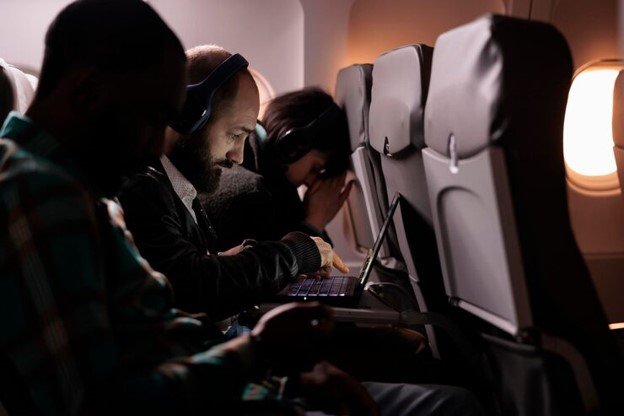
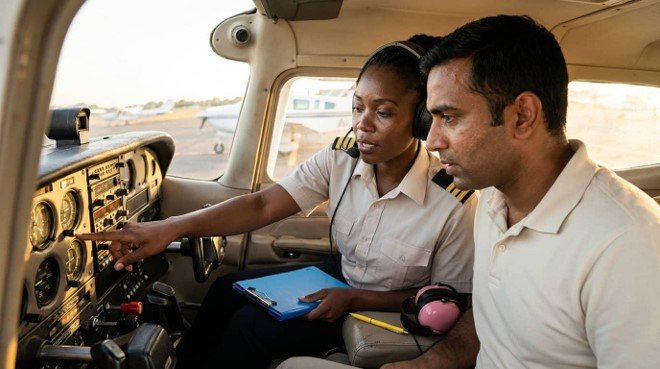
A pilot mentorship program gives cadets something a classroom cannot always offer: honest, personal feedback from someone who has actually flown the line. Mentors notice patterns cadets often miss in themselves, such as rushing through checklists or avoiding radio calls out of nervousness.
We encourage cadets to treat mentorship sessions as rehearsal for real airline life, not extra classes to get through. A good mentor will ask uncomfortable questions on purpose. That discomfort is where growth happens.
What Good Mentorship Covers
Strong mentorship goes beyond exam preparation. It typically includes:
- Reviewing decision-making after simulator sessions, not just correcting errors
- Building confidence in radio communication and phraseology
- Discussing real airline incidents to develop judgment
- Preparing cadets for panel interviews with realistic mock sessions
- Setting personal accountability goals between sessions
Cadets who engage seriously with this kind of guidance walk into interviews with fewer surprises. They have already faced tough questions in a low-stakes environment.
Building Discipline Long Before the First Duty Roster
Professional behavior is a habit, and habits form through repetition, not motivation. Waking early for ground classes, arriving prepared, and maintaining consistency during DGCA subjects all build the same muscle airlines expect once cadets are flying rosters with real passengers on board.
Small routines matter here. A cadet who submits assignments late during ground school is unlikely to suddenly become punctual once hired. Airlines notice this pattern too, often asking references about consistency and reliability during training.
Practical Habits Worth Building Early
We suggest cadets focus on these during ground training itself, rather than waiting until closer to interviews.
- Arrive early to every class and simulator slot, without exception
- Keep study notes organized and reviewable, not scattered
- Practice explaining technical concepts out loud to a peer
- Accept feedback without arguing the point first
- Reflect briefly after each session on what could improve
These habits sound ordinary. They are also exactly what separates candidates who get shortlisted from those who get repeated rejections.
Communication as a Core Skill, Not a Soft One
Many cadets assume communication is secondary to technical knowledge. In reality, cockpit voice recorders from serious incidents often reveal breakdowns in communication rather than pure technical failure. This is not a comfortable fact, but it is an important one for anyone serious about a long-term aviation career.
We recommend cadets practice structured communication early, especially during Crew Resource Management discussions. Being clear, brief, and specific during a radio call or a crew briefing is a skill that improves only with deliberate practice.
Simple Ways to Sharpen Communication
- Practice standard phraseology daily, even outside class hours
- Record mock radio calls and review them critically
- Ask instructors for direct feedback on clarity, not just accuracy
- Observe how experienced pilots phrase instructions during briefings
Small, consistent practice here compounds significantly by the time interview season arrives.
Preparing for Interviews Without Memorized Answers
Interview panels can tell when answers sound rehearsed word for word. What they want instead is genuine reasoning. A cadet who has been through consistent mentorship and behavioral coaching answers naturally, because the thinking pattern has already been practiced, not memorized.
We often advise cadets to focus on understanding the reasoning behind standard procedures rather than memorizing steps mechanically. Interviewers frequently ask why after a technical answer, and cadets who only memorized the what struggle immediately.
Conclusion
Professional cockpit behavior is built gradually, through consistent habits, honest mentorship, and deliberate communication practice. Technical competence gets a cadet through ground exams, but behavior is what airlines remember during selection and beyond. At Pilot Training Academy, our focus stays on preparing cadets for this complete picture, not just the syllabus. A strong commercial flying career in India depends on both, and neither should be treated as optional.
Frequently Asked Questions
1. What is airline ready pilot training, and how is it different from regular ground classes?
Airline ready pilot training combines DGCA syllabus preparation with real-world readiness, including interview coaching, communication practice, and behavioural guidance airlines specifically evaluate during selection.
2. Why is a pilot mentorship program important during early training?
A mentorship program gives cadets personalised feedback from experienced pilots, helping them correct habits, build confidence, and prepare realistically for airline interview panels.
3. How does cockpit behaviour affect selection for a commercial flying career in India?
Airlines assess decision-making, communication, and composure alongside technical scores. Weak behavioural readiness can affect selection even when flying knowledge is strong.
4. Can cadets improve communication skills before starting actual flight training?
Yes. Practicing standard phraseology, mock radio calls, and structured briefings during ground school builds communication skills airlines expect from day one.