Airlines do not build professional pilots in one interview room. They spot professionalism in a candidate long before that final round begins, and it usually shows up in small habits formed years earlier. Good airline preparation classes teach far more than technical answers. They shape how a student walks into a room, speaks under pressure, and carries responsibility even when nobody is watching.
Most aspiring pilots believe interview success depends on last-minute polish. That belief is only half true. Real readiness starts in the classroom, on the ground, long before any airline ever asks a question.
What Airlines Really Look For Before They Even Ask a Question
Interview panels are trained to notice patterns. They are not just checking technical knowledge. They are watching how a candidate behaves under mild stress.
Discipline Shows Before Words Do
A candidate who arrives on time, sits with good posture, and answers with clarity is already sending a message. That message says: this person has been trained to handle pressure calmly.
Confidence Built Through Repetition
Confidence rarely appears overnight. It grows through repeated practice, mock interviews, and structured feedback. Students who go through consistent ground training tend to speak with more steadiness, simply because they have faced similar questions before.
Building Habits That Airlines Notice
Professionalism is not one big moment. It is a collection of small habits repeated daily. Ground schools that focus on discipline help students build these habits naturally.
Here are a few habits airlines quietly evaluate:
- Punctuality during classes, exams, and simulator sessions
- Preparedness, meaning notes reviewed and doubts cleared in advance
- Respectful communication with instructors and fellow students
- Composure while answering unexpected questions
- Accountability for mistakes, without excuses
None of these habits appear suddenly during an interview. They are formed months earlier, often without students realizing it.
The Role of Ground Training in Shaping Professional Pilots
Ground training is where most of this foundation gets built. It is not only about clearing DGCA papers. It is where young aspirants learn structure, patience, and how to handle academic pressure in a professional manner.
Why Discipline Starts in the Classroom
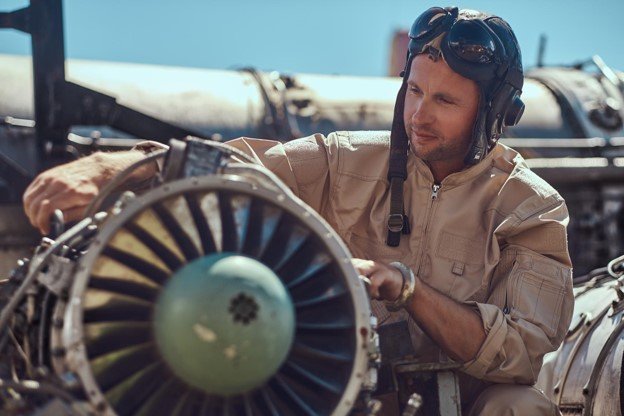
A classroom that follows strict timing, structured study plans, and regular assessments trains the mind to operate under similar conditions later. Students who complete such training carry that discipline into every stage that follows, including flight training and airline recruitment.
Strong airline ready pilot training programs are built on this idea. They treat every ground class as a small rehearsal for the professional world a pilot will eventually enter.
Communication Skills That Go Beyond the Cockpit
Flying an aircraft well is only part of the job. Airlines equally value how a pilot communicates with air traffic control, cabin crew, and passengers during unusual situations.
RTR training plays a quiet but important role here. It teaches structured, calm, and clear communication, a skill that carries directly into interview rooms and cockpit conversations alike.
Good communication training helps students in three practical ways:
- It reduces hesitation while speaking under pressure.
- It builds clarity in tone and word choice.
- It trains listening skills, which matter as much as speaking.
Simple Habits That Build an Airline-Ready Pilot
Professionalism can feel like a vague word until it is broken into daily actions. The following habits, practiced consistently, prepare a student far better than any last-minute interview tip.
- Reach classes and mock sessions a few minutes early
- Keep study material organized and easy to revise
- Practice answering questions in complete, structured sentences
- Accept feedback without becoming defensive
- Stay updated with aviation news and industry changes
- Maintain a calm tone even during difficult questions
Small habits like these, repeated over months, quietly shape a mindset that airlines recognize instantly.
How Early Guidance Shapes a Stronger Career Path
Many students enter aviation with excitement but limited direction. This is where structuredpilot career guidance in India becomes valuable. The right guidance early on saves time, reduces confusion, and helps students avoid common mistakes during ground training and licensing.
Proper mentorship focuses on three areas:
- Academic clarity, so students understand what each subject demands
- Career mapping, so students know the realistic path from ground school to airline recruitment
- Personal development, so students build confidence steadily rather than rushing it before interviews
Students who receive this kind of guidance tend to walk into interviews with a clearer sense of purpose. They are not memorizing answers. They understand why those answers matter.
Small Signals That Make a Big Difference
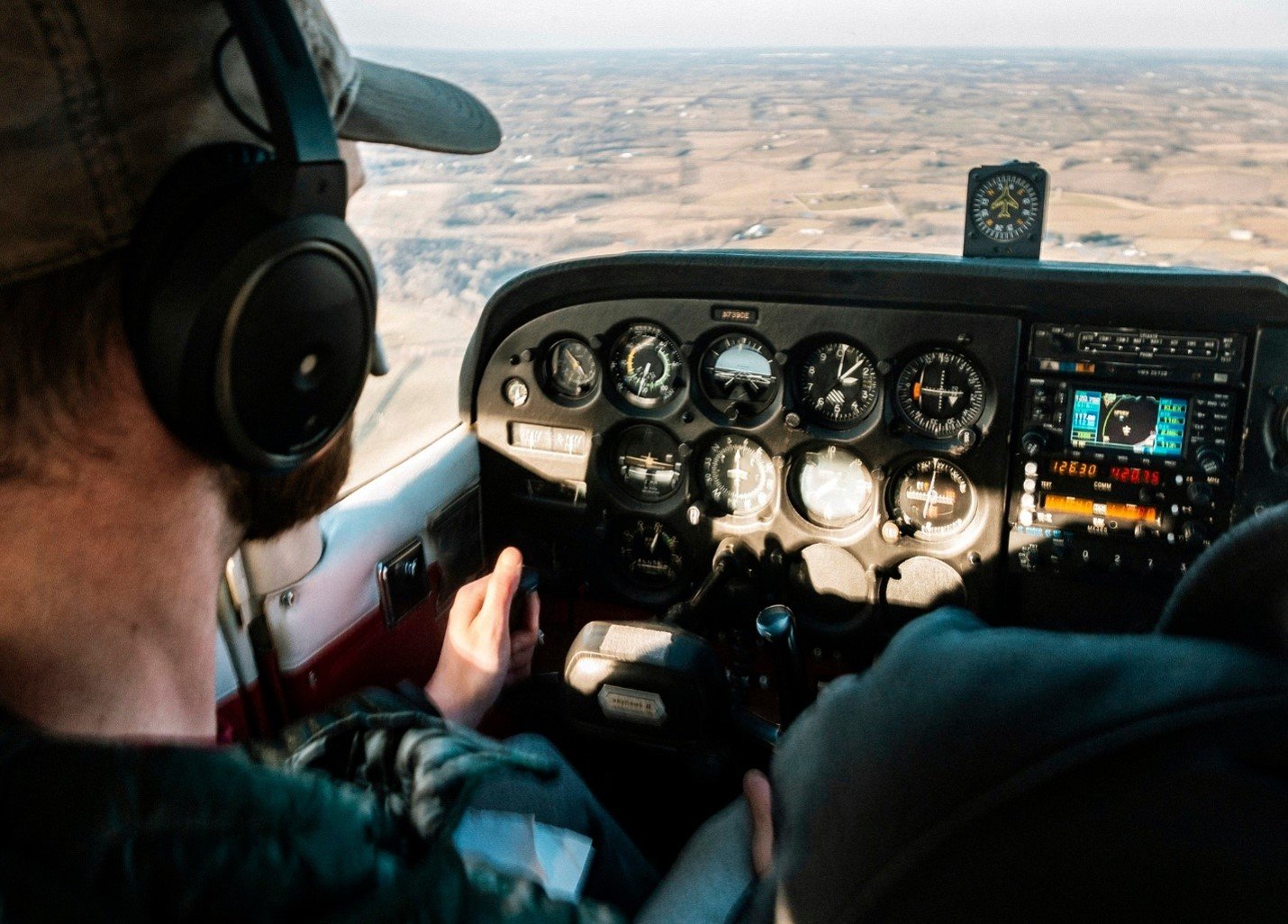
Interview panels often remember small, human details more than textbook answers. A steady handshake, a clear introduction, and thoughtful pauses before answering all reflect a candidate who has been trained to think, not just react.
These small signals are the direct result of consistent classroom habits built over months of structured training. They cannot be taught in a single crash course right before an interview.
Why Early Exposure to Real Aviation Environments Matters
Meeting experienced instructors, listening to real flying stories, and understanding practical challenges early in training gives students a realistic picture of the profession. This exposure removes unnecessary fear and replaces it with informed confidence. Structured airline preparation classes often include this kind of exposure, helping students connect textbook concepts with real operational scenarios. When students understand what the job actually demands, their preparation becomes more focused and purposeful.
How Mentorship Shapes Long-Term Career Decisions
Mentorship plays a quiet but significant role in shaping how a student approaches their aviation career. A mentor does not just answer academic questions. A mentor also helps a student understand timing, patience, and realistic expectations at each stage of training. This kind of support, often part of thoughtful pilot career guidance in India, gives students clarity during moments of doubt. With the right mentorship, students make informed choices instead of rushed ones.
Conclusion
Professionalism cannot be activated the night before an airline interview. It is shaped gradually, through discipline in the classroom, structured communication training, and consistent mentorship throughout the ground training journey. Students who build these habits early walk into interviews with genuine confidence, not rehearsed answers.
At Pilot Training Academy Pune, we believe strong ground training builds more than exam readiness. It builds the professional mindset every airline looks for, long before the interview begins.
Frequently Asked Questions
1. What are airline preparation classes, and why are they important?
Airline preparation classes help aspiring pilots build technical knowledge, communication skills, and interview readiness. They prepare students for airline recruitment processes beyond just theory exams.
2. How does ground training contribute to becoming an airline ready pilot?
Ground training builds discipline, structured thinking, and communication habits. These qualities directly influence how confidently a pilot performs during airline assessments and interviews.
3. Why is proper pilot career guidance in India necessary for beginners?
Proper guidance helps students understand the correct academic path, avoid common mistakes, and plan their journey from ground school to airline recruitment with clarity and confidence.
4. Can strong communication training really improve interview performance?
Structured communication training, including RTR practice, helps students speak clearly and stay calm under pressure, which directly improves their performance during airline interviews.