Aviation rewards preparation, but it demands something harder to teach: composure. A checklist can guide a pilot through most procedures, yet the moment something goes off script, real skill shows up. That is where student pilot training earns its worth, not in memorizing manuals, but in building the mental steadiness that keeps a cockpit safe when things stop going to plan.
The Cockpit Is Not Always Predictable
Flight training textbooks cover engine failures, weather diversions, and communication breakdowns. But reading about a crisis and living through one, even in a simulator, are two different experiences entirely. A sudden gust of turbulence at 20,000 feet does not wait for a pilot to feel ready.
This unpredictability is exactly why calmness under pressure gets treated as a core skill, not an optional trait, throughout seriouscommercial pilot preparation.
Why Panic Is the Real Enemy
Technical faults rarely cause accidents on their own. Poor decision-making under stress does. A pilot who freezes, rushes, or second-guesses basic steps can turn a manageable issue into a dangerous one.
Here is what tends to happen when panic takes over:
- Attention narrows, and pilots miss obvious cues on the instrument panel
- Communication with air traffic control becomes rushed or unclear
- Simple checklist items get skipped under the illusion of urgency
- Decision-making slows down precisely when speed matters most
None of this happens because a pilot lacks knowledge. It happens because stress overrides training that was never truly internalized.
Building Calm Through Structured Training
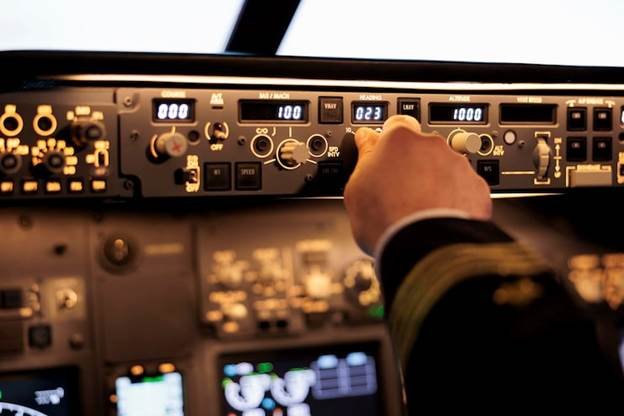
Calmness is not a personality trait reserved for a lucky few. It is a skill, and like any skill, it responds to repetition, feedback, and structured exposure.
Simulator Sessions Rebuild Instinct
Simulators recreate high-pressure scenarios without real-world risk. Engine failures, sudden weather shifts, and instrument malfunctions can all be practiced repeatedly until a pilot’s response becomes automatic rather than anxious.
Repeated exposure does something subtle but powerful. It shrinks the emotional weight of an emergency, turning it into just another procedure to work through, step by step.
Ground Classes Sharpen Judgment, Not Just Memory
Strong airline ready pilot training goes beyond memorizing DGCA syllabus content. It trains students to reason through scenarios, weigh options quickly, and apply regulations correctly even when circumstances shift mid-flight.
A pilot who understands why a rule exists, not just what the rule says, tends to respond with clearer judgment when a textbook scenario suddenly becomes a real one.
Mock Tests Create Pressure in a Safe Environment
Timed mock exams and daily doubt-clearing sessions do more than prepare students academically. They also expose students to time pressure repeatedly, which builds tolerance for stress long before a cockpit ever enters the picture.
Real Skills That Come From Calm Training
Pilots who train under pressure regularly develop a set of practical habits that carry directly into professional flying.
- Faster situational assessment – recognizing a problem quickly instead of freezing on it
- Clear radio communication – staying precise and understandable even during stressful exchanges
- Disciplined checklist adherence – resisting the urge to skip steps when time feels short
- Better teamwork with co-pilots and crew – calm pilots communicate more effectively under load
- Sound decision-making with incomplete information – a common reality in genuine emergencies
These are not abstract ideas. Airlines actively look for these traits during recruitment, simulator assessments, and technical interviews, because a calm pilot protects lives, aircraft, and reputation all at once.
How Instructors Shape a Pilot’s Response to Pressure
Experienced instructors play a bigger role in this process than most students realize going in. A good instructor does not just correct mistakes. Instructors who have flown real aircraft, faced genuine in-flight challenges, and returned to teach carry a different kind of authority. Their guidance often includes:
- Sharing real cockpit experiences alongside theoretical lessons
- Encouraging students to talk through their reasoning during mock scenarios
- Correcting hesitation early, before it becomes a habit
- Building confidence gradually, rather than expecting instant composure
This mentorship-driven approach helps students internalize calmness as second nature, not as a rule they force themselves to follow under stress.
Why This Matters More in Today’s Aviation Industry
Alt Tag: – Indian aviation
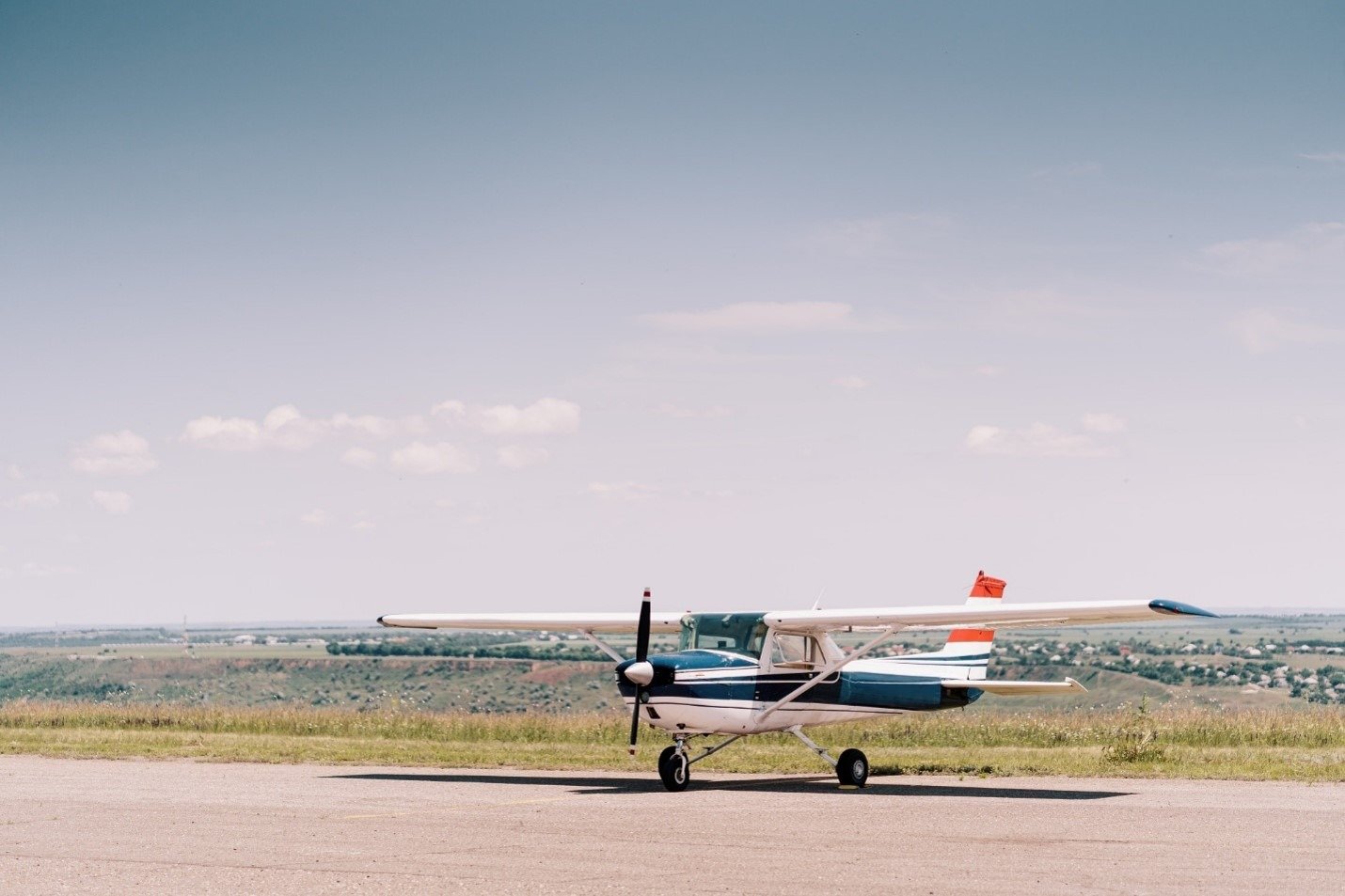
Indian aviation is expanding fast. New routes, new aircraft, and rising passenger numbers mean more responsibility resting on every pilot in command. Airlines are not just hiring people who passed their exams. They are hiring professionals who can be trusted with unpredictable situations, day after day, flight after flight.
A well-structured training path, one that blends commercial pilot preparation with genuine composure-building, produces candidates who stand out during recruitment. Simulator hours look good on paper, certainly. But an evaluator can usually tell within minutes whether a candidate has trained to handle pressure or merely trained to pass an exam.
Practical Tips for Aspiring Pilots
Students preparing for a flying career can start building this composure early, well before their first real emergency scenario.
- Practice slow, deliberate breathing during simulator drills; it genuinely helps
- Review emergency checklists until recall feels automatic, not rehearsed
- Ask instructors for honest feedback after every mock session, not just praise
- Reflect on mistakes without spiraling into self-criticism
- Treat every mock test as real practice, not a formality to get through
Small, consistent habits like this build resilience gradually. Composure rarely arrives overnight. It is shaped one session at a time.
Conclusion
Handling unexpected situations calmly is not a bonus skill for pilots. It is central to the job itself. Strong ground training, realistic simulator practice, and mentorship from experienced instructors all work together to build this composure over time.
AtPilot Training Academy Pune, this focus on structured, pressure-tested learning shapes students into professionals who are genuinely ready for the responsibilities that come with the captain’s seat, not just the exams that lead there.
Frequently Asked Questions
1. Why is calmness considered essential during student pilot training?
Calmness helps students respond accurately during emergencies instead of reacting out of panic, which directly affects flight safety and decision-making quality.
2. How does simulator training help pilots handle unexpected situations?
Simulators recreate realistic emergency scenarios repeatedly, allowing students to build automatic, confident responses rather than anxious, uncertain ones.
3. Does commercial pilot preparation include stress management training?
Yes, structured commercial pilot preparation includes mock tests, timed exams, and scenario-based drills that build tolerance for pressure alongside technical knowledge.
4. What makes a pilot truly airline ready pilot training candidate?
Airlines look for candidates who combine strong theoretical knowledge with composed, clear decision-making under pressure, a quality developed through consistent, realistic training rather than exam scores alone.