
Aspiring pilots often arrive with the same dream: a cockpit, a uniform, and the sky waiting outside a windshield. What separates the ones who make it from the ones who quietly fall behind isn’t luck. It comes down to habits, the small daily choices that build discipline long before the flying hours begin. At any serious pilot education institute, instructors notice these patterns within the first few weeks of a batch.
We have trained hundreds of students preparing for DGCA exams, and one thing stands out every single time. Talent gets a student through the door. Habits get them through the exam hall.
Why Daily Discipline Matters More Than Talent
Aviation theory is dense. Regulations, meteorology, navigation, technical subjects, they don’t reward last-minute cramming. We have watched sharp students struggle simply because they treated preparation like a sprint instead of a routine.
Top performers build a rhythm early and stick to it. They study at the same time each day, review the previous day’s notes before starting new material, and rarely let a topic sit unresolved for more than 24 hours.
This consistency matters more in an aviation ground school than in most other academic settings, because subjects build on each other. Miss a foundational concept in navigation, and the next three weeks feel like walking uphill.
What Consistent Students Do Differently
A few patterns show up again and again among students who clear their papers on the first attempt:
- They arrive early, not to impress anyone, but to settle in before the mind starts racing.
- They take handwritten notes even when slides are provided, because writing forces the brain to process rather than just absorb.
- They ask questions the same day doubts appear, not weeks later during revision.
- They treat mock tests as diagnostic tools, not scorecards to feel proud or ashamed of.
- They sleep on a fixed schedule, understanding that fatigue quietly wrecks memory retention.
None of these is dramatic. That is exactly the point.
The Role of Structured Guidance
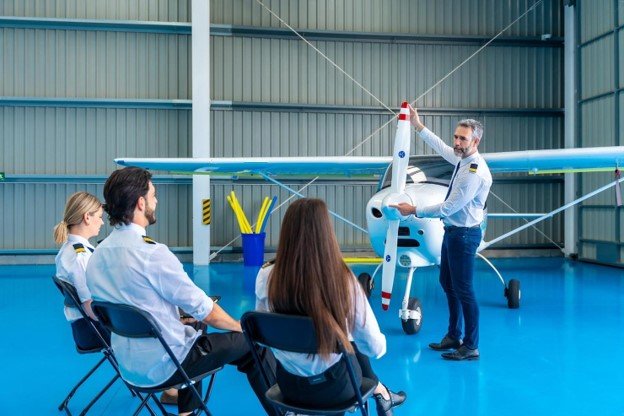
Self-discipline only goes so far without direction. Students who improve fastest usually have mentors who correct their approach early, before bad habits calcify. A good pilot training academy in India does not just deliver lectures. It builds a feedback loop where confusion gets addressed before it snowballs into exam anxiety.
We often see students walk in with strong intent but a scattered study method. Once that gets structured, a proper timetable, focused revision blocks, weekly mock assessments, their scores start climbing within a month.
Mentorship Beats Motivation
Motivation fades. It always does, usually around week three when the excitement of “becoming a pilot” meets the reality of memorising air law sections. What keeps students going after that point is mentorship.
Instructors who share real cockpit stories, who explain why a regulation exists rather than just what it says, tend to hold a student’s attention far longer than someone reading off a slide.
A few things good mentors bring to the table:
- Real-world context for dry regulatory content.
- Honest feedback on weak areas, delivered without discouragement.
- Accountability, someone tracking whether a student is actually studying or just attending class.
- Perspective on the airline industry beyond the syllabus.
Students who lean into this mentorship, asking questions, requesting extra practice, admitting when they’re lost, tend to outperform those who quietly nod along and hope things click later.
Building Mental Resilience for the Cockpit
Ground exams test knowledge. Flight training tests composure. The students who transition smoothly from classroom to cockpit are usually the ones who practised handling pressure long before they ever touched a control yoke.
This shows up in small ways during ground school itself. A student who stays calm during a tough mock test, reviews mistakes without spiralling, and comes back the next day with a plan, that student is quietly preparing for something bigger than the exam.
Pressure in aviation never really goes away. It just changes shape, from exam stress to checkride nerves to real operational decisions later in a career. Building that resilience early, in a classroom, is far safer than building it mid-flight.
Simple Practices That Build Resilience
- Reviewing wrong answers without self-criticism, treating mistakes as data.
- Practising radio telephony phrases out loud, even outside class hours.
- Setting small weekly goals instead of one large exam-day goal.
- Talking to seniors or instructors about setbacks instead of hiding them.
Small, repeated actions like this compound over months. By the time flight training begins, resilience feels almost automatic.
Time Management Around a Demanding Syllabus
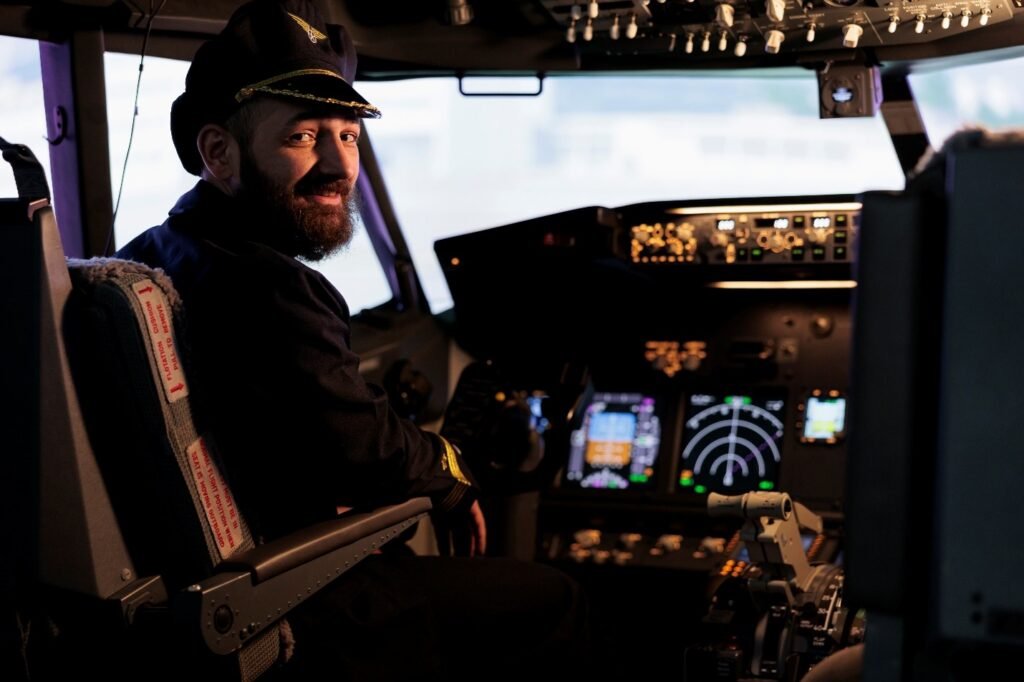
Aviation ground subjects don’t leave much room for wasted hours. Students juggling five subjects, mock tests, and personal study time need a system, not willpower alone.
The ones who manage this well usually block their week in advance. They know which evenings are for navigation calculations and which mornings are for regulation revision. They protect that time the way they’d protect a flight duty period, seriously and without excuses.
Poor time management, on the other hand, shows up as panic two weeks before an exam. That panic rarely produces good results. It produces shortcuts, and shortcuts in aviation theory tend to show up as gaps during the actual exam.
Peer Learning Inside the Classroom
Students who study only in isolation often miss out on something valuable. Explaining a concept to a classmate forces clarity that silent reading rarely gives.
We have watched study groups outperform solo learners, especially in subjects like navigation were working through a problem together exposes gaps faster than any textbook.
Physical Routine and Mental Sharpness
Long study hours can quietly wear a student down if sleep and movement get ignored. A tired mind absorbs less and forgets faster, no matter how many hours go into revision.
Students who keep a basic routine, proper sleep, short breaks and a bit of physical activity tend to stay sharper through exam weeks than those who push through exhaustion.
Curiosity Beyond the Syllabus
The strongest students rarely stop at what’s asked in the exam. They read about real flight incidents, follow aviation news, and ask instructors questions that go beyond the textbook.
This habit builds instinct, something that matters once theory turns into actual flying decisions later in training.
Conclusion
Becoming a confident commercial pilot rarely comes down to one dramatic breakthrough. It comes from ordinary habits repeated with unusual consistency, showing up daily, asking questions early, treating mistakes as lessons, and respecting a study schedule the same way a pilot respects a checklist.
At Pilot Training Academy Pune, we have seen these habits shape careers far more reliably than raw talent ever does. Students who build discipline in the classroom carry that same discipline into the cockpit, and that combination is what airlines are genuinely looking for.
Frequently Asked Questions
1. What habits help students clear DGCA exams faster?
Consistent daily study, regular doubt clearing, and disciplined mock test practice are the habits that consistently separate top scorers from the rest.
2. How important is mentorship at a pilot education institute?
Mentorship plays a major role. Guidance from experienced instructors helps students correct mistakes early and stay motivated through a demanding syllabus.
3. Can time management really affect exam results in aviation ground school?
Yes. Structured weekly planning prevents last-minute panic and ensures every subject gets adequate revision time before the exam.
4. What should I look for in a pilot training academy in India?
Look for structured mentorship, updated study material, regular mock assessments, and an environment that encourages steady, disciplined preparation rather than last-minute cramming.