A Commercial Pilot Licence feels like the finish line. A licence tells the world you can legally fly an aircraft. It says nothing about whether you can handle a delayed departure, a nervous co-pilot, or a sudden weather change over the Arabian Sea. That gap between licensed and airline ready is where most aviation careers either take off or stall. Good training for pilot in India should close that gap, not just get you through the exam hall.
A Licence Opens the Door, Not the Cockpit
Passing DGCA papers proves you understand theory. Navigation, meteorology, regulations, technical subjects: these are the building blocks. But airlines don’t hire theory. They hire judgement.
A licensed pilot knows the rules. An airline-ready pilot knows when rules meet reality and don’t quite match up. That difference shows up in interviews, in simulator checks, and eventually, in the cockpit itself.
We’ve watched candidates ace their written exams and still struggle during airline assessments. Why? Because knowledge on paper and composure under scrutiny are two different muscles entirely.
What Separates Ground Knowledge from Real Readiness
Technical Skill Under Pressure
Anyone can recite regulations in a quiet classroom. Reciting them while an examiner fires rapid-fire scenario questions is a different test altogether. Airline-ready candidates think fast, stay accurate, and don’t freeze when the pressure builds.
Discipline Beyond The Classroom
Attendance and punctuality sound basic. Airlines still check for them closely. A cadet who shows up late to ground school rarely becomes the officer who arrives early for a 4 AM report time. Small habits, formed early, tend to carry forward.
Communication That Airlines Trust
RTR training isn’t just about passing a viva. Clear, confident radio communication reflects how a pilot will sound to air traffic control during an actual emergency. Airlines listen for calm, not just correctness.
Why Airlines Look Beyond The Licence
Recruiters across Indian carriers repeat the same observations year after year. A few stand out:
- Simulator performance matters more than theory scores. A 95 per cent CPL result means little if a candidate can’t manage a simulated engine failure calmly.
- Attitude gets noticed fast. Interview panels remember candidates who ask thoughtful questions, not just those who give textbook answers.
- Consistency beats brilliance. Airlines prefer steady, reliable performers over occasionally impressive but inconsistent ones.
- English fluency and CRM skills carry real weight. Crew Resource Management, working well with a co-pilot, cabin crew, and ground staff, is tested informally throughout the hiring process.
None of this appears on a licence certificate. It shows up in how a candidate carries themselves from the first ground class onward.
Building The Right Foundation Early
Readiness isn’t built overnight, and it definitely isn’t built in the final month before an interview. It’s shaped gradually, subject by subject, mock test by mock test.
A few habits tend to separate students who transition smoothly into airline careers:
- Daily revision over last-minute cramming. Pilots who retain concepts long-term perform better in recurrent training later.
- Mock interviews and viva practice, not just written mocks, help candidates get comfortable speaking under evaluation.
- Exposure to real cockpit scenarios, even though simulators, builds intuition that textbooks can’t replicate.
- Mentorship from experienced instructors who’ve flown commercially adds context no syllabus provides on its own.
- Financial and career planning early on, so students aren’t scrambling to figure out flying school logistics after clearing ground exams.
Students preparing for a genuine commercial flying career India offers plenty of opportunity, but that opportunity rewards preparation, not just paperwork.
The Road from Student to First Officer
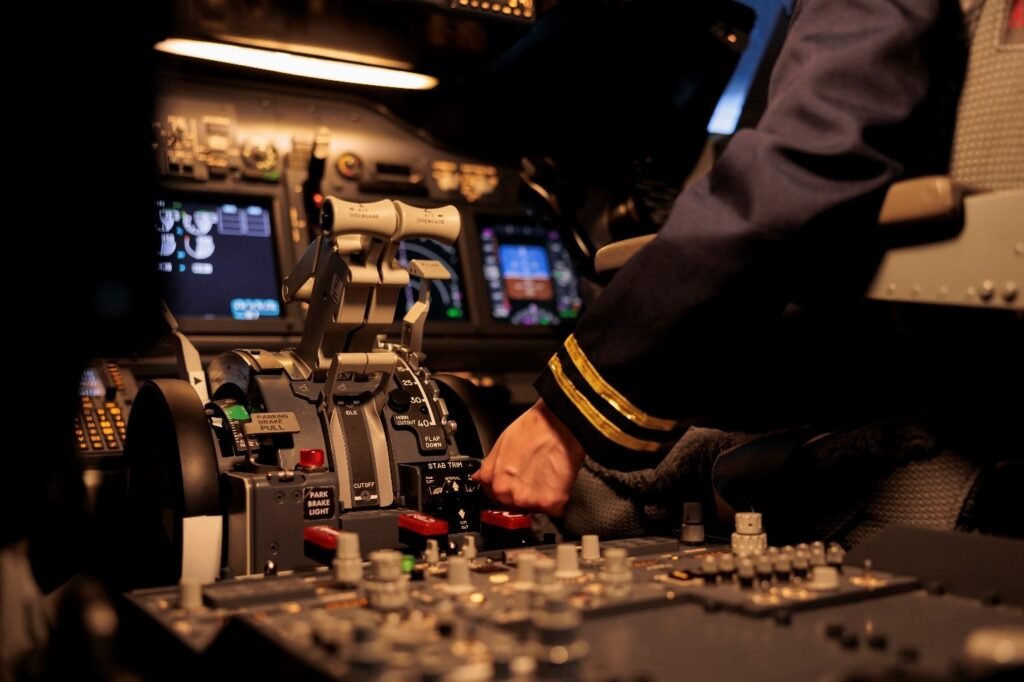
The journey typically moves through clear stages. Ground school comes first, covering the five core DGCA subjects. Flight training follows, usually at a partner flying school in India or abroad. Then comes the license itself, followed by type rating and airline interviews.
At each stage, the gap between passed and prepared becomes more visible. Ground school teaches concepts. Flight training builds hands-on skill. But airline ready pilot training is what threads discipline, communication, and decision-making through every one of those stages, rather than treating them as separate boxes to tick.
Airlines don’t just ask, did you pass? They ask, can we trust you with 180 passengers on a stormy evening?” A marksheet can’t answer that question.
Handling Irregular Operations with Confidence
Flights rarely go exactly as planned. A diversion due to fog, a technical snag before departure, or a sudden change in slot timing tests a pilot far more than any written exam does. Licensed pilots know the standard procedures for these situations. Airline-ready pilots apply them smoothly, without losing coordination with the crew or unsettling passengers in the process. That calm handling of the unexpected is often what separates a good trainee from a dependable first officer.
Medical Fitness and Mental Resilience
A DGCA licence confirms that a candidate has cleared the required medical standards at one point in time. Airlines look further ahead. Long duty hours, irregular sleep cycles, and time zone shifts demand sustained physical stamina and mental steadiness. Cadets who build healthy routines early, proper sleep habits, regular exercise, and stress management, tend to adapt far better once flying becomes a full-time career rather than a training schedule.
Working Within a Multi-Crew Cockpit Culture
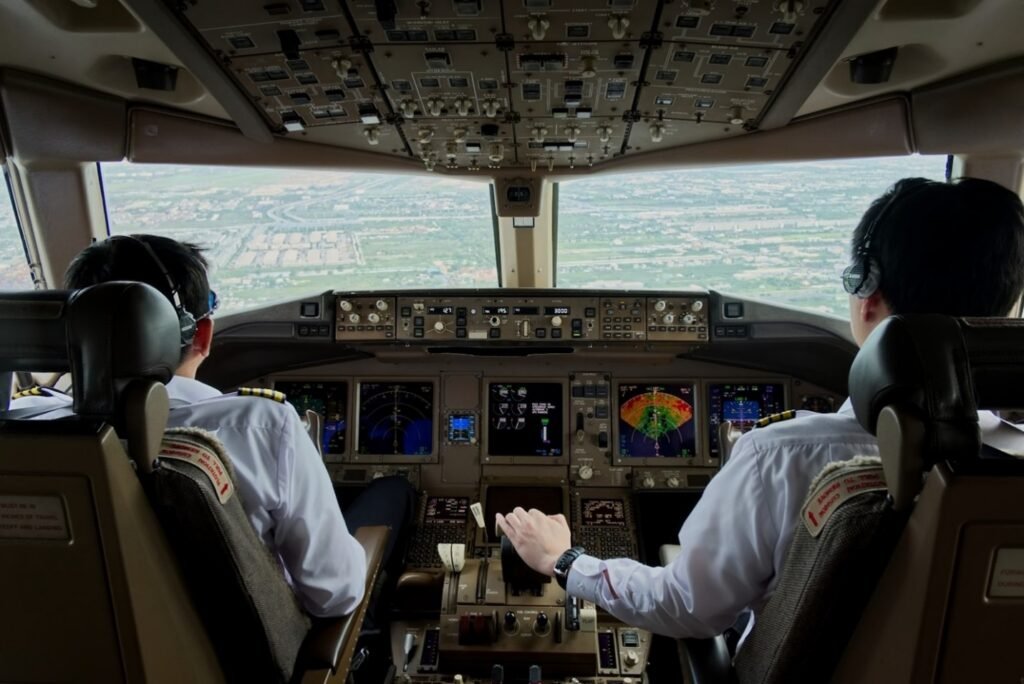
Solo flying decisions during training look very different from decisions made inside a multi-crew airline cockpit. Every call, every checklist item, and every briefing involve another person whose judgement matters just as much. Airline-ready candidates learn to voice concerns clearly, accept correction without ego, and build trust quickly with colleagues they may be flying with for the very first time. That comfort with shared responsibility rarely develops through ground school alone.
The Habit of Continuous Learning After Hiring
Getting hired is not where the learning stops, and treating it that way tends to slow a pilot’s growth. Recurrent training, type-specific updates, and regulatory changes continue throughout a flying career. Pilots who stay curious, ask questions during line training, and revisit fundamentals periodically tend to progress faster toward command roles. Airlines notice this mindset early, often within the first year of service, and it shapes how much responsibility gets handed over next.
Conclusion
CPL confirms eligibility. Airline readiness confirms capability, and that difference decides who gets hired quickly and who waits years chasing interview calls. Ground knowledge, discipline, communication, and composure under pressure all need to develop together, not one after another.
Frequently Asked Questions
1. What is the main difference between a licensed pilot and an airline-ready pilot?
A licensed pilot has cleared the required DGCA exams and holds a valid certificate. An airline-ready pilot additionally demonstrates strong decision-making, communication, and composure that airlines specifically evaluate during hiring.
2. How long does it usually take to become airline ready in India?
Ground school typically takes around six months, followed by flight training that can range from several months to over a year, depending on the flying school and location chosen.
3. Does simulator training really matter for airline interviews?
Yes. Simulator sessions help candidates handle real-time scenarios, which airlines specifically assess during technical rounds and initial simulator checks.
4. Can strong English and communication skills improve airline selection chances?
Definitely. Clear radio communication and confident English fluency are evaluated closely during interviews, since they directly affect cockpit coordination and passenger safety.