A pilot once told me that the most difficult moment of his career was not turbulence or a rough landing. It was a three-second gap in radio contact during a busy system into Mumbai where a button’s education almost got cut because two pilots were talking over each other in the cockpit.
Nothing went wrong that day. But it easily could have. That single anecdote explains more about aviation safety than most textbooks do.
Pilot skills of stick and rudder are no longer the only requirements for flying a commercial aircraft! It’s about the real-time conversation, listening and responding to information, often in high-pressure situations and when lives are at stake.
This blog looks at why communication is treated as a core competency in modern airline preparation classes, what skills actually get tested and how young aspirants in India can start building this ability long before they touch a cockpit.
Communication Is Not a Soft Skill in Aviation
Airline recruiters are not only looking at flying hours and exam scores. They listen to the way a candidate speaks in interviews how a candidate explains a technical situation and how well they can remain cool while answering a difficult question. Structured coaching comes in handy here. A good training program based on airline ready pilot training is not limited to simulators and ground classes. It forces trainees to the point of speaking under stress by putting them in scenarios where they must do mock interviews, group discussions and situational role play, making the situation feel familiar rather than frightening.
What Airlines Actually Look For
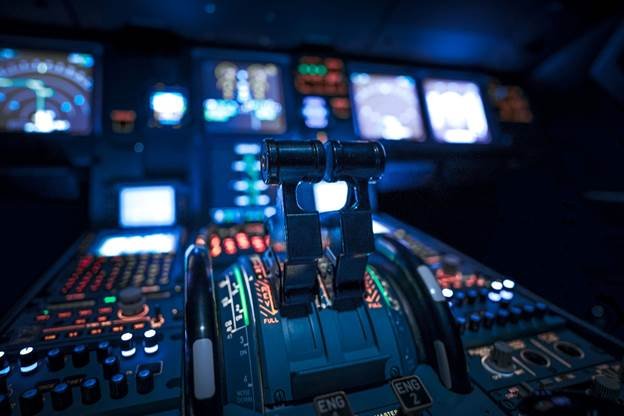
Recruiters at airlines do not just check flying hours and exam scores. They watch how a candidate speaks during interviews, how they explain a technical scenario and whether they can stay composed while answering a tricky question. This is where structured coaching helps.
A good training program built around airline ready pilot training does not stop at simulators and ground classes. It pushes trainees into mock interviews group meetings and situational role play so speaking under stress feels familiar rather of scary.
Here’s what typically gets evaluated during selection rounds:
- Clarity of speech and pronunciation, especially for radio communication
- Ability to explain a technical malfunction in simple terms
- Composure while answering unexpected or stress-based questions
- Listening accuracy, meaning did the candidate actually answer what was asked
None of these show up on a resume. All of them show up in an interview room.
The India Angle: Why This Matters More Here
A commercial flying career india offers today looks nothing like it did fifteen years ago. Domestic carriers are expanding fleets, tier two cities are getting airport connectivity and the demand for trained pilots keeps climbing every year. But this growth brings a specific challenge. Many aspiring pilots come from Hindi medium schooling or regional language backgrounds and while their technical aptitude is often excellent, spoken English confidence can lag.
This is not a criticism, it’s a fact. Fortunately, it is possible to fix with the proper practice. Academies that embed communication skills into every course are more likely to generate candidates who enter interviews without that shyness that can see otherwise qualified people miss out on a seat in the cockpit.
Real Scenarios Where Communication Decides Outcomes
Cockpit Radio Calls Under Pressure
During takeoff or landing, pilots have maybe two or three seconds to acknowledge an ATC instruction correctly. A hesitant or unclear readback can lead to a controller repeating themselves, which eats precious time during a critical phase of flight. Training simulators now specifically test this, not just for accuracy but for speed and tone.
Crew Resource Management
In the modern world of aviation, one of the most important aspects is what is known as CRM: This is a structured team working operation between the pilots and cabin crew. When a captain is unable to communicate with a first officer or crew who are on edge it creates an unbalanced situation in the cockpit that isn’t good. A captain who cannot communicate with a nervous first officer or one who ignores input from a junior crew member makes for a dangerous power imbalance in the cockpit. A number of documented aviation accidents highlight the role of poor CRM in otherwise preventable accidents.
How Aspiring Pilots Can Build This Skill Early
Waiting until interview season to work on communication rarely works. It’s a skill that needs repetition over months, not a crash course over a weekend. A few practical habits actually move the needle:
- Practicing radio phraseology daily, even just reading standard ATC scripts aloud
- Recording mock interview answers and listening back critically
- Joining group discussions or debate practice to build quick thinking under pressure
- Reading aviation incident reports to understand how communication gaps played out in real events
These habits are easy, even rather mundane but consistency always trumps intensity. There is no such thing as a natural-born speaker they have to learn to be one, and they have to work hard at it. There is no such thing as a natural-born speaker and anyone who claims to be it is probably selling something.
The Instructor’s Perspective
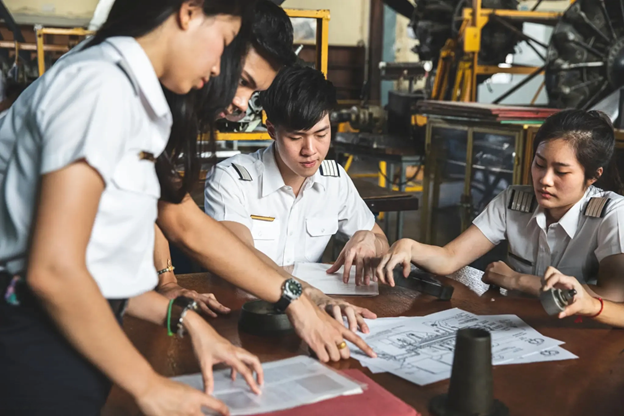
Flight instructors who have trained hundreds of cadets often say the same thing in different words. Technical knowledge gets a candidate through the exam. Communication gets them through the interview and later, through their actual flying career. A pilot who flies well but freezes when asked to explain a decision to an examiner or a senior captain will always struggle to move up the ranks, no matter how sharp their flying is.
This is why serious training programs treat communication as a graded, tracked skill rather than an afterthought squeezed in before placement season.
Conclusion
Communication skills are not a side note in pilot training; they are part of the actual job description, whether that’s written down or not. From radio calls to crew coordination to handling a nervous cabin during turbulence, the ability to speak clearly and listen well shapes outcomes in ways flying hours alone never will. For anyone serious about building a long-term career in the skies, working on this skill early, alongside technical training, is not optional anymore it’s the smarter path forward. Pilot Training Academy Pune has built its coaching approach around exactly this balance, treating spoken confidence as seriously as flight hours themselves.
Frequently Asked Questions
Why do airlines test communication skills during pilot interviews?
Airlines need pilots who can convey information clearly under pressure, since miscommunication during flight operations can directly affect passenger safety.
Are airline preparation classes helpful for improving spoken English confidence?
Yes, structured airline preparation classes often include mock interviews and speaking drills that specifically target confidence and clarity, not just technical knowledge.
Is a commercial flying career in India competitive for candidates from regional language backgrounds?
It can be, but consistent practice in spoken English and interview simulation closes that gap fairly quickly for most motivated candidates.
What makes someone airline ready beyond flying hours?
Strong communication, composure under stress, and the ability to explain technical situations simply are just as important as flight hours when airlines assess readiness.