Almost half of the eager candidates who kick off their initial student pilot training in India end up taking twice as long as they planned to actually earn their wings. It is a frustrating reality that many glossy brochures cover up with promises of a quick, twelve-month journey. Getting a clear view of the timeline is vital if you want to avoid burning through your budget while waiting around on the tarmac. This breakdown will give you an honest, step-by-step map of how long it actually takes to go from a high school graduate to sitting in a commercial flight deck.
Phase One: Clearing Your Medicals and Getting Your Computer Number
The clock does not start when you climb into an aeroplane cockpit. It starts on the ground with paperwork and physical exams. You need to clear your Class 2 and Class 1 medical assessments, which authorised centres strictly manage. This initial setup usually takes about two to three months because getting appointments with certified doctors can involve long waiting periods.
Inside Track: While waiting for your medical fitness certificates to clear, you must apply for a DGCA computer number. Think of this number as your unique roll number for your entire pilot career. Without it, you cannot sit for the Unmarried Theory Test.
This part is purely bureaucratic, but rushing it or submitting the wrong files can cause a huge, months-long delay. Before you spend any money on a uniform or device, it is smart to check this out.
Phase Two: Ground School and the DGCA Theory Exams
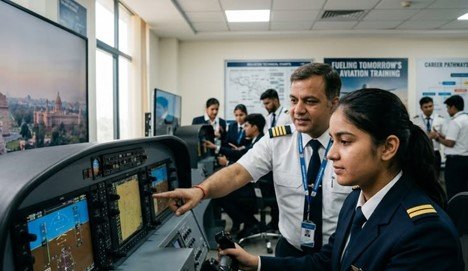
Passing the theoretical papers is widely known as the hardest mental hurdle for anyone trying to build a commercial flying career india. You have to pass specific exams including air navigation, aviation meteorology and air regulations.
The Study Grind: Expect to spend roughly four to six months in full-time classroom study to truly master the material.
The Exam Cycle: The DGCA conducts these official tests quarterly. If you happen to fail a difficult paper, you have to wait another three months just for the next attempt.
The Smart Move: Clearing these theory exams before you go to a flight school prevents your flying hours from getting interrupted by late-night study sessions.
Most successful students spend about six months completing this theoretical phase if they stay highly focused and clear their papers on the first or second attempt.
Phase Three: Clocking Your 200 Flying Hours
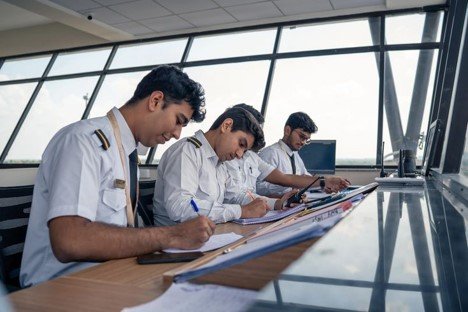
Once the books are put away, you finally get to start your formal commercial pilot license course at a flying academy. The law states you need to log a minimum of 200 hours in the air, which includes cross-country navigation, instrument flying and night takeoffs.
The Ideal Timeline: In a perfect world with zero maintenance issues and great weather, you could easily fly these hours in about eight to ten months.
The Reality Check: Most flight cadets in India take closer to twelve to fifteen months due to unexpected monsoon rain, festive holidays and routine aircraft maintenance checks.
Choosing an academy located in a region with consistently stable, dry weather will save you months of sitting around in a hangar waiting for clear skies.
Phase Four: Type Rating and Airline Selection
Getting your license pack from the regulator does not mean you can instantly pilot a passenger jetliner. You still have to complete a type rating, which is specialised simulator training for a specific large aircraft like an Airbus A320 or Boeing 737. This phase takes about two to three months of highly intense simulator sessions. After that, you enter the airline screening phase, which can take another three to six months depending on hiring cycles.
Conclusion
Going from zero experience to a fully qualified flight deck professional takes a realistic investment of twenty-four to thirty-three months of continuous effort. The total duration depends heavily on how fast you clear your theoretical papers and the operational efficiency of your flight school. Managing your time on the floor wisely will give you a huge advantage when it’s time to take to the skies at the far end.
Navigating these regulatory levels will be much easier if you have experienced flight instructors to guide you through each part. Based in Pilot Training Academy Pune provides classroom training and strategic business coaching to ensure you quickly bypass your assessments and survive on the fastest route to the cockpit.
FAQs
What are the basic eligibility requirements to start flight training in India?
You must be at least seventeen years old to get started and you need to have passed your 10+2 board exams with physics and mathematics. You also need to be declared medically fit by authorized medical examiners.
Can I do my flight training while still working a regular job?
The theoretical ground school part can be done via weekend or evening sessions, but the actual flying phase requires a full-time commitment. You need to be available for early morning flights and flexible weather windows.
How many times a year can I sit for the pilot theory exams?
The Directorate General of Civil Aviation conducts the official pilot license examinations four times a year. Proper preparation is essential because failing a paper means waiting a few months for the next exam cycle to open up.
Is it better to do ground school before joining a flight school?
Yes, clearing your theoretical papers beforehand is highly recommended. It allows you to focus 100 percent of your energy on actual flying without the stress of studying for difficult written exams at the same time.