A shocking percentage of freshly minted pilots end up failing their very first airline simulator assessment. It happens even when they hold a flawless, newly stamped Commercial Pilot License. Look, getting a CPL proves you can handle a small, single-engine training plane in clear weather. It absolutely does not mean you automatically know how to operate a massive, multi-crew passenger jet with hundreds of people sitting in the back. Transitioning from a quiet, simple training airfield to the fast-paced world of major commercial aviation is a huge, terrifying jump. Enrolling in specialized airline preparation classes is usually the exact missing link that helps young pilots bridge this critical skill gap before their big interview.
Airlines do not just look at your raw flying hours anymore. They want to see how your brain works under pressure. They want to know how you handle stress and how well you work with a team when everything goes wrong at once.
Shifting from Single-Pilot to Multi-Crew Co-operation
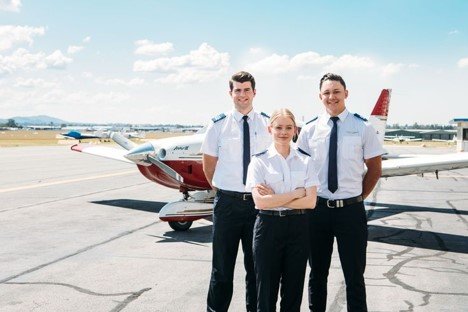
Most student flight training is completely focused on single-pilot operations. You make all the choices, you talk on the radios and you fly the aircraft all by yourself. Enter the world of large commercial aviation and that lone-wolf mindset can quickly become a serious safety hazard.
Industry Insight: airline ready pilot training focuses heavily on Multi-Crew Co-operation. You have to learn to divide up flight deck duties smoothly into a strict system of Pilot Flying and Pilot Monitoring.
Communication mistakes in the cockpit cause way more real-world accidents than mechanical failures do. Airlines are actively hunting for candidates who understand standard operating procedures and know exactly how to challenge a senior captain politely if a mistake happens.
Managing the Mental Workload and Jet Aircraft Logistics
Flying a slow Cessna at 90 knots gives you a massive, comfortable cushion of time to think, read checklists and make course corrections. When you move up to an Airbus A320 or a Boeing 737 travelling at 250 knots in a packed terminal area, that extra thinking time completely vanishes.
- Advanced Flight Management Systems: Modern passenger jets rely entirely on complex computers to get around. You really need to know how to reprogram an automated system fast when an air traffic controller changes your arrival route at the very last second.
- Jet Aerodynamics: Jets handle completely differently than the little piston-propeller training planes you are used to. They fly much higher, move much faster and require you to plan your descents tens of miles earlier than you think.
- Complex System Management: You move from managing a simple, mechanical fuel selector valve to handling automated hydraulic, pneumatic and electrical networks that keep the whole plane alive.
Developing the mental capacity to stay ahead of a fast jet takes structured classroom preparation and focused simulator practice long before you ever show up for your formal airline screening.
Master the Psychometric and Technical Screening
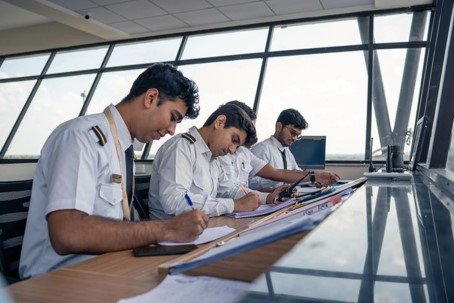
The hiring process at any major airline is an intense, multi-stage hurdle. Plenty of candidates pass the technical flying part with flying colours only to get rejected during the psychometric evaluation or the personal interview panel.
Aviation companies spend massive amounts of money training new hires, so they use psychological testing to weed out impulsive, defensive, or overly anxious personalities. Specialized commercial pilot preparation courses break down exactly what these tests are looking for. They teach you how to demonstrate a calm, analytical and highly structured approach to problem-solving.
Emergency Decision-Making Models
When an engine quits or thick smoke starts entering the cabin, there is absolutely zero room for panic or creative guessing. Airlines want to see you use standardized, proven decision-making frameworks.
- FORDEC Model: This structured process stands for Facts, Options, Risks, Decisions, Execution and Check. It gives you a reliable, step-by-step mental pathway to manage any inflight crisis safely without losing your head.
- Threat and Error Management: This method teaches you to actively look out for potential issues, like bad weather or crew fatigue, before they turn into real, dangerous mistakes.
Learning these mental frameworks early makes a candidate stand out instantly during a tough simulator check-ride. It shows the selectors that you already think like an experienced airline captain.
Conclusion
Earning a professional license is really just the price of entry into the aviation industry, not the ultimate resort. True preparedness requires a major shift from primary hand-flying talent to the mastery of automated systems, crew coordination, and dependent disaster control. Investing time in advanced preparation guides will ensure that you show up for the interview with exactly the corporate attitude that HR managers want to see.
Navigating this remarkably competitive transition is an awful lot easier when you train under the guidance of industry experts who know the screening system inside out. Pilot Training Academy Pune offers comprehensive floor training, specialised interview training, and guidance for cadets to ensure you cross the finish line and stabilise your neighbourhood in the industrial control room.
FAQs
Why do I need airline preparation classes if I already have a CPL?
A commercial license teaches you the core basics of flying a small airplane alone. Advanced preparation classes focus specifically on the complex systems, multi-crew environments, and automated flight decks used by major commercial carriers.
What is covered during airline ready pilot training?
This type of training covers multi-crew cooperation, jet aerodynamics, advanced flight management systems, and airline-specific operational procedures. It also prepares you for technical interviews, simulator tests, and psychometric assessments.
How does commercial pilot preparation help with airline simulator checks?
It helps by familiarizing you with jet aircraft speeds, heavy cockpit workloads, and structured emergency checklists. This preparation ensures you do not get overwhelmed by the rapid pace of a large passenger jet simulator.
Do airlines test for personality traits during pilot hiring?
Yes, airlines use intensive psychometric testing to evaluate your decision-making style, stress management, and teamwork skills. They want to ensure your personality traits match the high-responsibility environment of a commercial flight deck.