Every year, many students join flight schools in India. A lot of them quit halfway. Strange, honestly. Most are smart. Hardworking too. The real problem is poor planning before training even starts.
A pilot career after 12th looks exciting from far away. Uniforms. Airports. Cockpit videos. Fast sunsets from 30,000 feet. Nice stuff. Real training feels different though. Much heavier. Long study hours. Medical stress. Technical books thick enough to stop a door. Good preparation changes everything.
Choosing a Flight School Too Fast
Many students rush this step. One flashy ad appears online and suddenly the admission is done. That creates trouble later.
Some schools have weak ground classes. Some have aircraft delays all the time. A few look polished online but struggle with proper instructor support.
Most aviation experts say students should check:
- DGCA approval
- instructor quality
- aircraft availability
Simple checks. Big difference.
A student from Pune once shared that his batch waited weeks just to get flying slots because too many students were placed on too few aircraft. Happens more often than people think.
Ignoring DGCA Medical Tests
This mistake hurts badly. Financially too. Students sometimes pay large admission fees first and do medicals later. Then problems appear. Eyesight issues. Hearing concerns. Health conditions nobody expected.
Training pauses immediately. Experienced instructors keep repeating one thing. Clear the DGCA Class 2 medical before anything else. Not after. Before. That one step can save months of stress.
Thinking Flying Means Only Flying
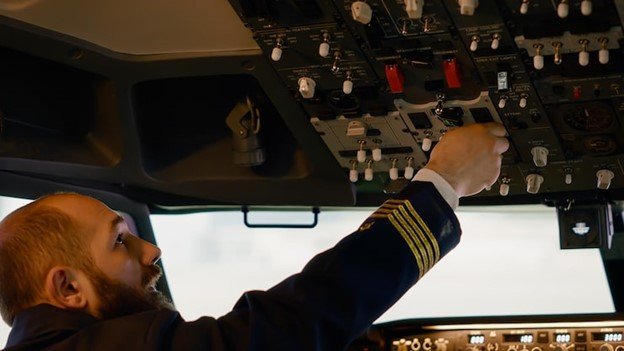
Aviation movies did damage here. Quite a lot actually. Flying is not just sitting in a cockpit and touching clouds. Commercial pilot preparation involves constant studying. Navigation. Meteorology. Technical systems. Air law. Radio communication. Ground school gets intense very quickly.
Some students walk into class expecting adventure and suddenly find themselves solving navigation calculations at 7 a.m. while half asleep and wondering what happened to their peaceful life. Funny later. Painful at the time.
Underestimating the Total Cost
Everyone knows flight training is expensive. Still, most students underestimate the actual amount needed.
Extra expenses keep showing up quietly. Simulator charges. License paperwork. Accommodation. Extra flying hours after delays.
The weather becomes a problem too sometimes. One week of rain can disturb flying schedules badly.
Industry mentors often suggest keeping backup funds ready because aviation timelines rarely move perfectly.
Rarely.
Poor Communication Skills
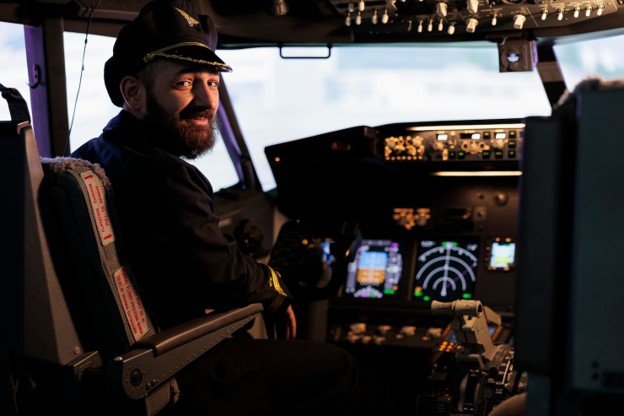
Pilots need clear communication. Not fancy English. Clear English. Many students ignore this completely during student pilot training. Then radio communication practice starts and confidence drops immediately.
Strong communication helps during:
- airline interviews
- RTR preparation
- simulator assessments
Small improvements matter. Daily speaking practice helps more than students expect. Even reading aviation articles aloud works surprisingly well.
Trusting Social Media More Than Reality
Aviation content online looks beautiful. Perfect uniforms. Perfect smiles. Perfect landings. Real training feels messy sometimes.
One senior instructor once said:
Students love posting airport selfies. Nobody posts the stress before DGCA exams. That line stayed in my head for days honestly because it is painfully true.
Most successful pilots are not chasing online attention. They stay busy studying, practising, repeating procedures again and again. Boring maybe. Effective definitely.
Weak Discipline Before Training Starts
Flight school moves fast. Very fast. Students with poor routines struggle early. Sleep schedules break. Focus disappears. Assignments pile up.
Good habits before training help a lot. Reading aviation basics daily helps too. Even thirty minutes matters.
Discipline sounds boring when people talk about it. Still, aviation runs on discipline. Every checklist. Every procedure. Every radio call. No shortcuts there.
Joining Aviation Due to Family Pressure
This happens quietly in many homes. Aviation looks prestigious. Families get excited. Relatives start talking about airline jobs before the student even enters ground school.
Pressure builds. Students without genuine interest often lose motivation during difficult phases. Simulator failures, technical exams, flying checks. Things become emotionally heavy.
Passion alone is not enough in aviation. But zero interest is worse.
Ignoring Health and Fitness
Pilots sit a lot but aviation still demands fitness. Poor sleep, stress eating, and irregular routines slowly affect concentration levels. Students notice it during long classes first. Then during simulator sessions too.
Helpful habits include:
- proper sleep
- hydration
- light exercise
Nothing extreme is needed. Consistency matters more.
Expecting Immediate Airline Jobs
This expectation breaks confidence for many fresh CPL holders. A commercial license is important, yes. But airlines still evaluate flying performance, communication, attitude, and simulator handling.
The Indian aviation industry is growing fast. Competition is growing too. Patience becomes part of the process whether students like it or not.
Conclusion
Flight training becomes smoother when students start with realistic expectations instead of social media fantasies. Most mistakes happen before training even begins. Wrong planning, weak discipline, rushed decisions. Small things at first. Big problems later.
Aviation rewards students who stay prepared, focused, and consistent through every stage of training. Pilot Training Academy helps aspiring pilots build that strong foundation with proper guidance, structured learning, and industry-focused commercial pilot preparation.
FAQs
What is the first step for a pilot career after 12th?
DGCA medical clearance should happen first before joining any flight academy.
Is student pilot training difficult?
Yes. Student pilot training requires discipline, technical study, and strong focus throughout the course.
What subjects are important for commercial pilot preparation?
Physics, mathematics, navigation, meteorology, and aviation regulations are important subjects.
How much does pilot training cost in India?
Most CPL programs in India cost between ₹35 lakh and ₹60 lakh depending on the academy and flying hours.